Chore Chart for Teens: Age-Appropriate Responsibilities, Life Skills and How to Make It Stick
A practical chore chart for teens: which household responsibilities fit ages 13 to 18, the life skills to teach before they leave home, safety rules for mowing and cooking, and how to set up a teen chore system that works with school, sports and jobs.
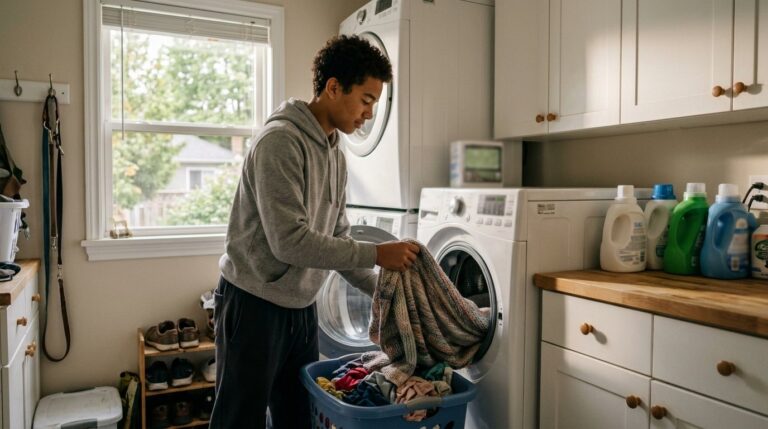
Quick answer: a good chore chart for teens mixes daily personal responsibilities (their own room, laundry and dishes) with two or three weekly household jobs and one “life skill in training,” such as cooking a family dinner or managing a grocery budget. Keep it short enough to fit around school and activities, agree on deadlines instead of exact times, and let teens trade jobs. The American Academy of Pediatrics suggests children be at least 12 to use a walk-behind mower and 16 for a ride-on mower, so match riskier jobs to age and training.
Chore charts tend to fade out somewhere around middle school. Younger kids love stickers and checkmarks; teenagers would rather not be managed with a magnet board on the fridge. Yet the teen years are when chores matter most, because the habits and skills your child builds now are the ones they will carry into a dorm room, apartment or first job.
A teen chore chart looks different from a chart for a six-year-old. It is less about rewards and more about ownership. It respects their schedule, gives them some say, and gradually hands over real adult tasks such as cooking, budgeting and car care. If you are building a system for younger children too, our complete guide to chore charts for kids covers every age from toddlers up, and this article focuses on ages 13 to 18.
Sources: American Academy of Pediatrics (HealthyChildren.org) guidance on chores and lawn mower safety; CDC sleep recommendations for teens; the U.S. Department of Labor’s YouthRules guidance on hours for young workers; and USDA safe minimum cooking temperatures. Checked October 2026.

Why Chores Still Matter for Teenagers
It is tempting to let chores slide for teens. Homework loads are heavier, sports and clubs run late, and many teens hold part-time jobs. Doing the dishes yourself can feel faster than another argument.
There are good reasons to keep going anyway:
- Independence. Teens who can cook a few meals, do their laundry and clean a bathroom are far better prepared to live on their own.
- Contribution. Pulling their weight at home helps teens see themselves as part of the household team rather than guests.
- Time management practice. Fitting chores around school and activities is real-world training for balancing work and life later.
- Confidence. Handling adult tasks well, such as fixing a running toilet or planning a grocery list, builds competence that carries over to school and work.
The American Academy of Pediatrics’ parenting site, HealthyChildren.org, describes chores as a way for children to learn responsibility and feel valued for their contributions to the family. That value does not end at 12.
What Chores Belong on a Chore Chart for Teens?
By the early teen years, most young people can do almost every household task an adult can, with some training. What changes with age is the level of independence and the complexity of the jobs.
| Age | Daily responsibilities | Weekly jobs | Life skill in training |
|---|---|---|---|
| 13-14 | Make bed, tidy room, load or unload dishwasher, feed pets | Vacuum, clean bathroom sink and mirror, take out trash and recycling, wash own laundry | Cook simple meals with supervision, write a grocery list |
| 15-16 | All of the above plus prep part of dinner | Deep clean bathroom, mop floors, yard work, change bed sheets | Plan and cook one family meal a week, compare prices at the store |
| 17-18 | Manage own schedule and laundry without reminders | Grocery run with a list and budget, clean out fridge, basic car care | Make appointments, track a monthly budget, handle simple home repairs |
Matching jobs to the individual teen
Age is only a guide. A 13-year-old who has cooked with you for years may be ready to make dinner alone, while a 16-year-old who has never used the stove needs to start with basics. Consider your teen’s maturity, experience and any learning or attention differences when you assign jobs.
Chore list for teens by age
Use this as a starting chore list and adjust for your teen’s maturity and your household:
- Ages 13 to 15: do their own laundry, clean their bedroom and a bathroom, load and unload the dishwasher, take out trash and recycling, vacuum and mop, help with yard work, prepare simple meals and pack their own lunch.
- Ages 16 to 18: everything above, plus planning and cooking a full family meal, grocery shopping from a list, mowing the lawn, basic car care if they drive (checking tire pressure, fluids and keeping it clean), running errands, and managing their own appointments and schedule.
Safety Rules for Riskier Chores
Some teen chores carry real injury risks. A short training session and clear rules keep everyone safe.
Lawn mowing
The American Academy of Pediatrics recommends that children be at least 12 years old before operating a walk-behind power mower and at least 16 before using a ride-on mower. The AAP also advises wearing sturdy shoes, keeping other children away from the area while mowing, and never letting passengers ride on a riding mower. Walk your teen through starting, stopping and clearing the mower safely before their first solo job.
Cooking
Cooking is one of the most valuable life skills you can teach, and it comes with burn and food safety risks. Start with knife skills and stove basics, then teach food safety. The USDA lists safe minimum internal temperatures, including 165°F for poultry and 160°F for ground beef, measured with a food thermometer. Put a thermometer in the kitchen drawer and make it part of the routine.
Cleaning products
Teach teens to read labels, use gloves for harsh products and never mix cleaners. Mixing bleach with ammonia or acids can release toxic gases. Keep a simple, labeled set of products for each job so there is no guesswork.

How to Make a Chore Chart for Teens That Works
The format that works for teenagers is usually simpler than a younger child’s chart. Teens respond better to clear expectations and deadlines than to step-by-step micromanagement.
Use deadlines, not exact times
Instead of “vacuum at 4:00 p.m. Saturday,” try “living room vacuumed by Saturday dinner.” Deadlines respect your teen’s schedule and let them practice planning. If the job is not done by the deadline, a pre-agreed consequence kicks in.
Keep the list short
Three to five recurring jobs plus daily personal responsibilities is plenty for most teens during the school year. Too many tasks lead to half-done work and constant reminders.
Let teens have a say
Hold a short family meeting to divide jobs. Let teens choose some of their tasks, swap with siblings or trade a disliked job for two smaller ones. People are more likely to follow through on plans they helped create.
When a teen helps choose their jobs and the deadlines, they tend to feel a stronger sense of ownership over the result, and you get fewer arguments about fairness.
Pick a format they will actually check
For many teens, a shared digital calendar or reminders app works better than a paper chart. Others prefer a simple whiteboard or a printed list inside a cabinet door. If your family likes paper, our printable chore chart can be adapted for older kids by replacing pictures with written tasks and deadlines.
Printable, template or app?
A printable chore chart or a simple spreadsheet template works well for families who like a visible chart on the fridge. A chore app or shared calendar suits teens who live on their phones, because reminders arrive where they already look. Whatever the format, the essentials are the same: each household chore, who owns it, and the day it is due. Avoid complicated points and rewards systems at this age; most teens respond better to clear expectations, a little independence and, for extra jobs, real pay.
Turn the chart into a responsibility tracker
By the teen years, a sticker chart can feel babyish. A responsibility tracker works better: a shared note, whiteboard or family calendar where each teen’s weekly jobs are listed with a due day, and they check them off themselves. Seeing their own record builds a sense of ownership, and it gives you something concrete to point to in a weekly check-in instead of relying on memory or arguing about who did what.
Sample Weekly Chore Chart for Teens
Here is an example of a weekly chore chart for teens in a family with two teenagers. Adjust the jobs and days to fit your household and your teens’ schedules.
| Chore | Teen 1 | Teen 2 | Due |
|---|---|---|---|
| Own laundry, washed and put away | Yes | Yes | Sunday night |
| Clean shared bathroom | Week A | Week B | Saturday |
| Kitchen cleanup after dinner | Mon, Wed | Tue, Thu | Before bed |
| Trash and recycling to the curb | Yes | Night before pickup | |
| Vacuum living areas | Yes | Friday | |
| Cook one family meal | Week B | Week A | Their chosen night |
| Bedroom reset | Yes | Yes | Sunday |
Rotating the less popular jobs every week keeps things fair, and the due column gives teens flexibility to fit chores around school and activities.
From Chore Chart to Responsibility List
Chores are tasks; responsibilities are areas a teen owns from start to finish. As your teen shows they can handle the basics, shift some items from the chore chart to a short responsibility list. Instead of “empty the dishwasher on Tuesday,” the responsibility might be “keep the kitchen clean after dinner on school nights,” which includes noticing what needs doing. This gives teens a deeper understanding of how a household actually runs and treats them as a contributing member of the family unit.
- Own one family meal a week. Planning, shopping for and cooking one of the week’s family meals teaches budgeting, timing and basic nutrition, and it gives everyone a reason to sit down together.
- Manage their own laundry and room. Washing, drying and putting away their own clothes on their own schedule is a natural first responsibility.
- Take over a recurring household job. Trash and recycling days, feeding a pet, or keeping the car’s gas tank and tire pressure checked if they drive.
- Handle one bill or appointment. Calling to book their own dentist appointment or paying their phone bill from their earnings is good practice before they move out.
Household contributions vs paid jobs
Many families separate the two. Household contributions are the unpaid basics everyone does because they live there, such as cleaning up after themselves and helping with family meals. Extra jobs, such as washing the car or deep-cleaning the garage, can be paid. This keeps the baseline from becoming a negotiation while still giving teens a way to earn.
Explaining why each job matters, such as what it costs to replace clothes ruined in the wash or how much time a clean kitchen saves the next morning, gives teens a deeper understanding of how their work keeps the house running.

Working Chores Around School, Sports and Jobs
Teens have real time pressures. A realistic chore chart accounts for them.
Protect sleep
The CDC recommends that teenagers ages 13 to 18 get 8 to 10 hours of sleep per 24 hours. Late-night chore marathons cut into that time. Schedule bigger jobs for weekends or lighter school nights, and avoid making teens choose between finishing chores and getting to bed.
Account for part-time jobs
Many teens work. Under federal child labor rules summarized on the U.S. Department of Labor’s YouthRules site, 14- and 15-year-olds can work up to 3 hours on a school day and 18 hours in a school week, and only between 7 a.m. and 7 p.m. during most of the year (until 9 p.m. from June 1 through Labor Day). Older teens have no federal hour limits, though states may set their own. A teen working 15 to 20 hours a week may need a lighter chore load during the school year, with more responsibility during breaks.
Plan for busy seasons
Sports seasons, exams and college application deadlines can make some weeks impossible. Agree in advance on a “busy week” version of the chart: personal responsibilities stay, while household jobs shift to other family members and are paid back later.
Build financial literacy into chores
Chores are an easy way to teach money skills. If you pay for extra jobs, have your teen track their earnings, set aside part for saving, and plan a purchase they want. The Consumer Financial Protection Bureau suggests giving kids hands-on chances to make money decisions, and the teen years are the time to let them practice budgeting with real, if small, amounts before the stakes are higher.

Should Teens Get Paid for Chores?
Families handle money and chores very differently. Some pay an allowance tied to chores, some pay for extra jobs only, and some keep chores and allowance completely separate.
A common approach for teens is a split system:
- Baseline chores that everyone does because they live in the house, unpaid.
- Extra jobs such as washing the car, deep cleaning the garage or babysitting younger siblings, paid at an agreed rate.
- A monthly allowance for teens to manage their own expenses, such as clothes or entertainment, which builds budgeting skills.
There is no single right answer. Our article on how families decide between allowance or no allowance walks through the trade-offs of each approach.

Handling Push-Back Without Daily Battles
Even with a good system, teens will test the limits. A few strategies keep conflict down.
Agree on consequences ahead of time
Decide together what happens when chores are not done by the deadline. Natural consequences work well: if laundry is not washed, there are no clean clothes for the game. Logical consequences, such as doing the job before screen time or plans with friends, should be agreed on in advance, not invented in the moment.
Use one reminder, then step back
Nagging tends to backfire. Agree on a single reminder, such as a text the evening before the deadline, then let the system and consequences do the work.
Notice the effort
Teens still respond to recognition. A quick “Thanks for handling dinner, it was good” matters more than you might think. Focus on effort and improvement rather than perfection.
Check the standard, not the method
Teens may fold towels or load the dishwasher differently than you do. Unless the method causes damage or a safety issue, focus on the outcome. Describe what “done” looks like, such as “counters wiped, dishes put away, sink empty,” and let them figure out the rest.

Life Skills to Teach Before Your Teen Leaves Home
Use the teen years to work through a list of practical skills. Add one or two to the chore chart each season.
- Kitchen: plan a weekly menu, shop from a list, cook five or six reliable meals, store leftovers safely.
- Laundry: sort clothes, read care labels, treat stains, use a dryer safely and clean the lint trap.
- Cleaning: clean a bathroom top to bottom, defrost and clean a fridge, unclog a drain with a plunger.
- Money: track spending, read a bank statement, understand a pay stub, pay a bill on time.
- Home maintenance: reset a tripped breaker, change a light bulb and air filter, turn off the water supply to a toilet.
- Car care: check tire pressure, top up washer fluid, know what dashboard warning lights mean.
- Admin: make a doctor or dentist appointment, fill out a form, keep important documents organized.
A teen who can do most of this list at 18 is well prepared for independence. For a broader look at building chore habits at any age, see our guide on how to get kids to do chores.
Frequently Asked Questions
What chores should a 13-year-old do?
Most 13-year-olds can make their bed, tidy their room, load and unload the dishwasher, feed pets, vacuum, take out trash and recycling, clean a bathroom sink and wash their own laundry with some guidance. Simple supervised cooking is a good life skill to add.
How many chores should a teenager have?
During the school year, three to five recurring household jobs plus daily personal responsibilities, such as keeping their room tidy and handling their own laundry, is a realistic load for most teens. Adjust for jobs, sports and exam periods.
At what age can a teen mow the lawn?
The American Academy of Pediatrics recommends children be at least 12 before using a walk-behind power mower and at least 16 before using a ride-on mower, with training and proper footwear.
Should I pay my teenager for chores?
It depends on your family’s approach. Many families keep baseline chores unpaid and pay for extra jobs, or give a monthly allowance teens use to manage some of their own expenses. Consistency matters more than the specific system.
How do I get my teenager to do chores without nagging?
Agree on clear deadlines and consequences in advance, give one reminder, then let the consequences work. Let teens choose some tasks and recognize their effort.
What should be on a teen responsibility list?
Start with tasks a teen can own from start to finish: their own laundry and room, one family meal a week, a recurring household job such as trash and recycling, and one adult task like booking their own appointment. Add more as they show they can handle them.
What is a responsibility tracker for teens?
A responsibility tracker is a simple list, app or whiteboard where a teen sees their weekly jobs and due days and marks them done themselves. It replaces reminders from parents with a record the teen manages, which is good practice for school deadlines and, later, a job.
How can chores teach financial literacy?
Pay for optional extra jobs, then have your teen split the money between spending, saving and a goal, and track it in a notebook or banking app. Handling real money from real work teaches budgeting far better than a lecture.
What should be on a chore chart for teens?
Include daily basics (dishes or kitchen cleanup, tidying their room), weekly jobs (laundry, bathroom cleaning, vacuuming, trash and recycling) and one bigger skill-building task such as cooking a family meal. Add a due day for each and rotate shared chores between siblings.
Should a teen chore chart use points or rewards?
Points and sticker rewards tend to work better for younger kids. For teens, simple expectations plus privileges (like screen time or use of the car after chores are done) or pay for extra jobs usually work better than a points system.

Sources
- American Academy of Pediatrics, HealthyChildren.org: chores and children; lawn mower safety.
- Centers for Disease Control and Prevention: recommended hours of sleep by age.
- U.S. Department of Labor, YouthRules: hours limits for 14- and 15-year-olds.
- U.S. Department of Agriculture, FoodSafety.gov: safe minimum internal temperatures.
- Consumer Financial Protection Bureau: Money as You Grow (building financial skills in kids and teens).