
When to Keep Your Child Home From School: A Parent’s Sick Day Guide
A practical sick day guide based on CDC and AAP advice: fever rules, when kids can go back to school, warning signs that need a doctor, and how to plan for sick days.

As an Amazon Associate I earn from qualifying purchases. Some links in this post are affiliate links, which means I may earn a small commission at no extra cost to you.
It is 6:45 in the morning. Your child says her stomach hurts, her forehead feels a little warm, and she would very much like to stay in her pajamas. You have a work meeting at 9:00 and a school policy you can only half remember. Every parent has stood in that spot, trying to decide whether this is a real illness, a case of the Monday blues, or something in between.
This guide gives you a clear way to decide. It draws on advice from the Centers for Disease Control and Prevention (CDC) and the American Academy of Pediatrics (AAP), and it covers fever, vomiting, rashes, coughs and colds, when kids can return, signs that need medical attention, and how to prepare so sick days are less chaotic. Your school and your child’s doctor have the final word, so treat this as a starting point.
Quick answer: keep your child home if she has a fever of 100.4°F (38°C) or higher, is vomiting or has diarrhea, or is too sick to take part in class. In general, kids can go back when they have been fever-free for 24 hours without fever-reducing medicine and are feeling better overall. Always follow your school’s own policy.
Start With Fever
The CDC and AAP define a fever as a temperature of 100.4°F (38°C) or higher. Fever is the body’s response to an infection, and it is usually not dangerous by itself. The number matters less than how your child looks and acts, with one big exception: young babies.
For an infant younger than 3 months, a temperature of 100.4°F or higher is a reason to call your pediatrician right away or seek urgent care, even if the baby seems fine. Tiny babies cannot fight infection the way older children can, and doctors want to see them quickly.
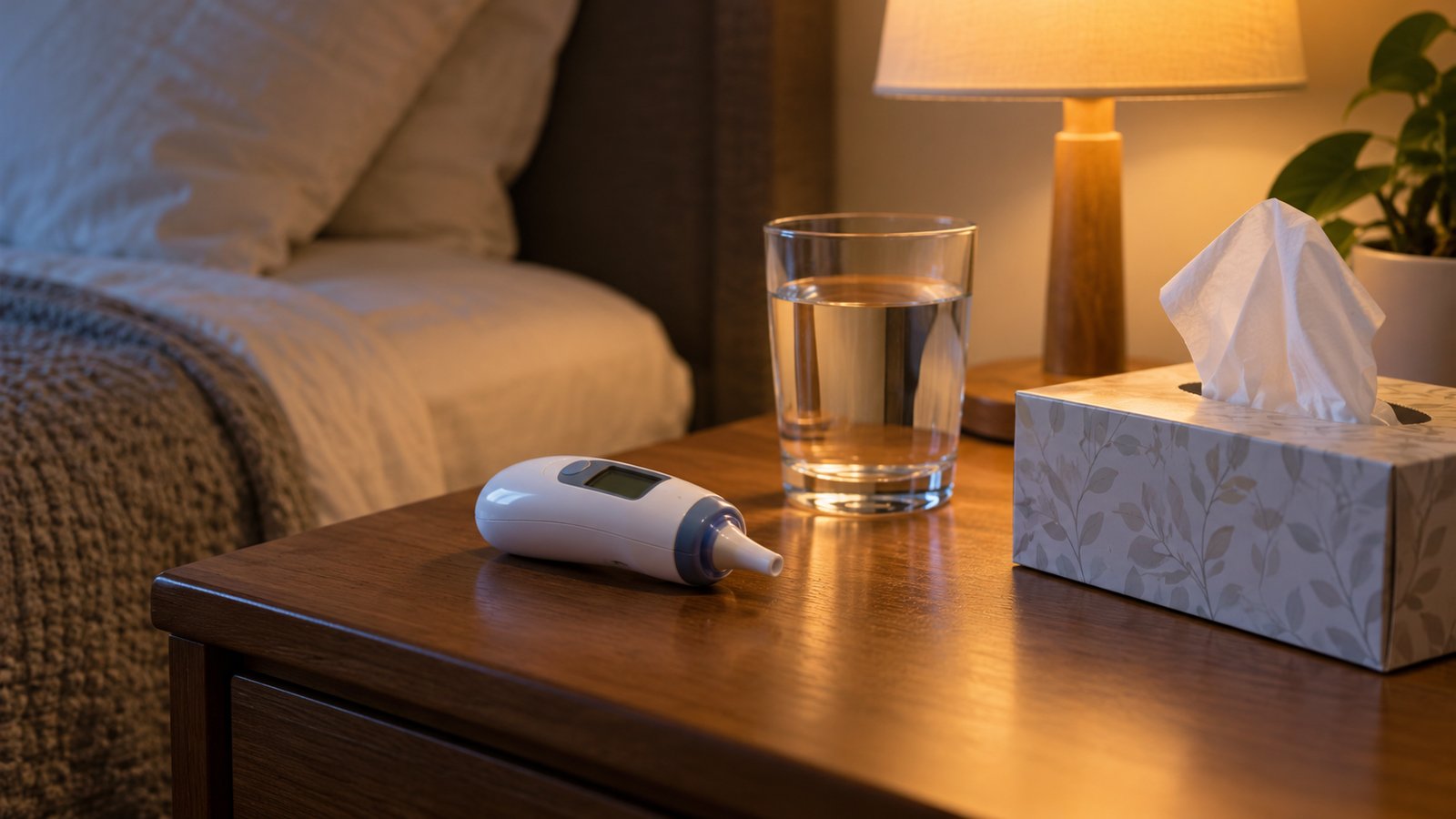
For school-age children, the common rule is to stay home with a fever and return only after 24 hours without a fever and without the help of fever-reducing medicine. Using the medicine to mask a fever and sending your child to school does not mean the child is better, and it risks spreading the illness. A reliable thermometer takes the guesswork out. An ear thermometer such as the Braun ThermoScan 5 gives a quick reading, though you should follow the instructions carefully, because technique affects accuracy. Ear thermometers are generally not recommended for babies younger than 6 months, and for them a rectal reading is the usual choice, so ask your pediatrician what they prefer.
A word about medicine
Acetaminophen and ibuprofen are commonly used for comfort, but dosing depends on a child’s weight and age, and ibuprofen is not recommended for babies younger than 6 months. Ask your pediatrician or pharmacist to confirm doses. Do not give aspirin to children or teenagers with a viral illness, because it is linked to Reye syndrome, a rare but serious condition. The CDC, AAP and FDA all issue this warning.
Other Common Reasons to Stay Home
Vomiting and diarrhea
Many schools ask that children stay home for at least 24 hours after the last episode of vomiting or diarrhea. Stomach bugs spread quickly through classrooms, and kids who return too soon often get sick again or pass it on. Focus on fluids in small, frequent sips. Watch for dehydration signs such as no urine in 8 hours, a dry mouth, no tears when crying and unusual sleepiness.
Cough, cold and sore throat
A runny nose and a mild cough are not usually a reason to miss school, if your child feels well enough to take part in class. The CDC’s respiratory virus guidance says people can resume normal activities once symptoms are improving overall and they have been fever-free for at least 24 hours without medication. After going back, take extra precautions for the next few days, such as covering coughs and washing hands often.
A sore throat with fever, swollen glands and no cough can be strep throat, which is caused by bacteria and treated with antibiotics. A doctor can test for it. Children with strep can usually return to school after 12 hours on antibiotics and once the fever is gone, but check your school’s policy.
Rashes, pink eye and other contagious conditions
Rashes with a fever, or those that appear suddenly with other symptoms, deserve a call to the doctor. Pink eye is another common school question. The AAP says that children with pink eye do not necessarily have to stay home, unless they have a fever or a school policy requiring it, and that many cases are viral and mild. Head lice and ringworm are treatable, and many schools allow children to attend after treatment has started. Always check local rules.
Warning Signs That Need a Doctor Right Away
Some symptoms call for medical attention instead of a day on the couch. The CDC lists emergency warning signs in children with flu, and several apply to other illnesses too. Seek urgent care or call emergency services if you notice:
- Fast or troubled breathing, ribs pulling in with each breath, or bluish lips or face.
- Not drinking enough fluids, or signs of dehydration.
- Not waking up or not interacting, or being so irritable the child does not want to be held.
- Fever with a rash that does not fade when pressed.
- Symptoms that improve and then return with a fever and worse cough.
- A stiff neck, severe headache, or confusion.
- Seizures, or a fever that lasts more than a few days.
Trust your instincts. A parent who feels that something is wrong is often right, and a call to the nurse line costs nothing. Many pediatric offices have an after-hours number for exactly these situations.
How to Decide on a Borderline Morning
The hardest mornings are the in-between ones: no fever, but a child who looks pale and says her tummy aches. A short set of questions can bring clarity. Ask yourself whether your child could take part in a normal school day, including sitting still, listening and going outside for recess. Consider whether she could be around other kids without spreading something, and whether she would need medicine during the day to get through. If the answer to any of these is no, a day at home is reasonable.
Also look at the pattern. A child who complains of stomachaches only on school mornings, but is fine by mid-morning at home, may be dealing with worry about school, a friend or a test. That is real, and it deserves attention, but the answer is a conversation and often a call to the school counselor, not repeated sick days. If you see this pattern often, raise it with your pediatrician.
On the other hand, kids who push through illness can end up worse, and sick children cannot learn much anyway. When in doubt, a day of rest is usually better than a week of being half-sick and falling behind.
Talk with the school
Call or message the school on the morning of the absence, and say what is going on in a sentence or two. Ask about make-up work, and let them know if the illness is contagious, such as strep, flu or stomach flu, so they can watch for it. Teachers appreciate honest updates, and many schools can send assignments home by email. If your child will miss several days, ask the teacher to share the plan for the week so your child can catch up without stress. Keep a copy of any doctor’s note if the school requires one for longer absences.

Preventing the Next Round
You cannot keep every germ out of your house, but the CDC highlights a few habits that reduce the spread:
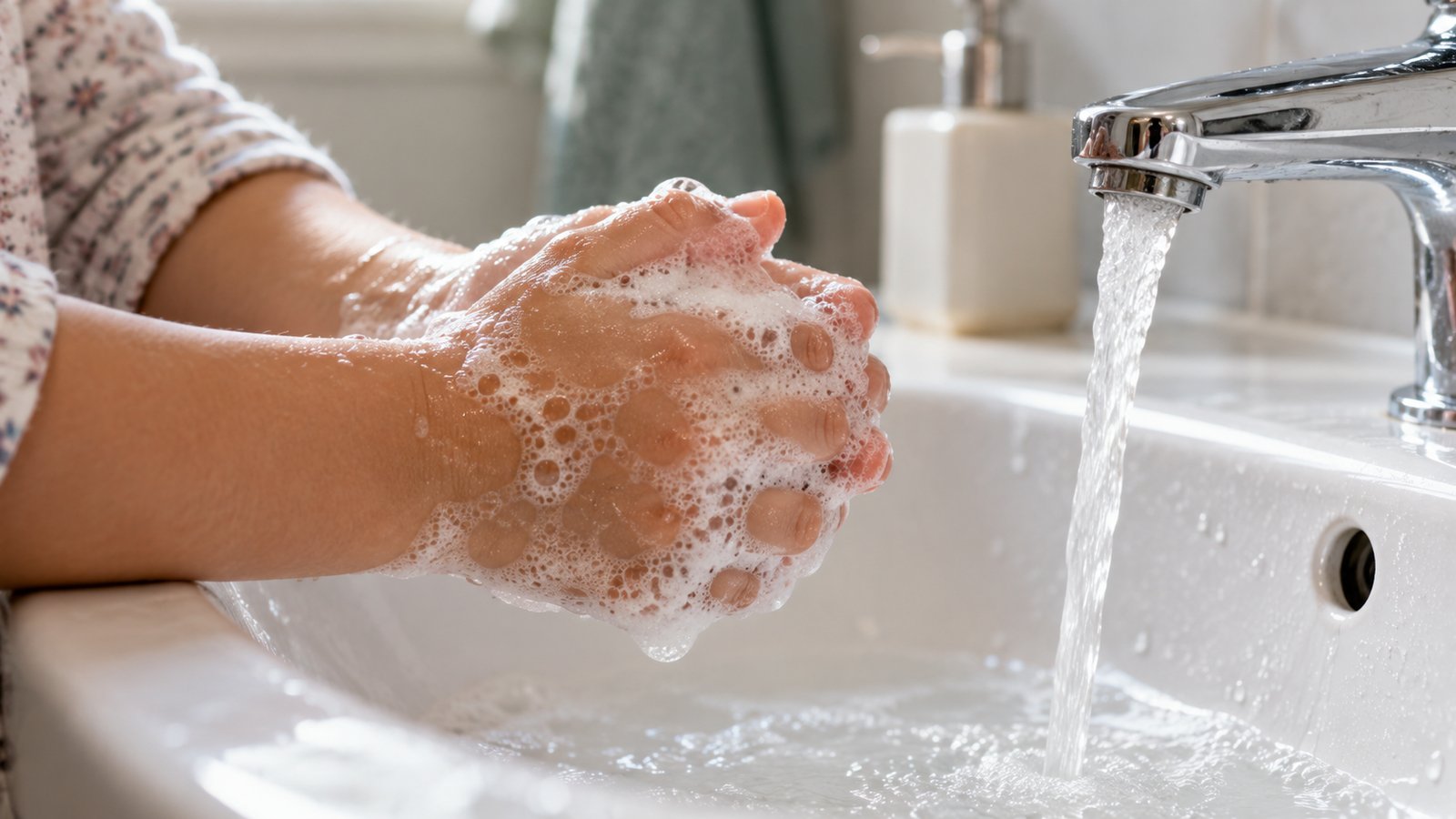
- Wash hands with soap and water for at least 20 seconds, especially before eating and after using the bathroom or coming home from school.
- Get an annual flu vaccine. The CDC recommends it for everyone 6 months and older, with rare exceptions, and other routine vaccines on schedule.
- Teach kids to cough or sneeze into a tissue or elbow and then wash hands.
- Clean frequently touched surfaces, such as doorknobs, faucets and tablets.
- Make sure kids get enough sleep, since tired bodies fight infection less well.
If you are looking for more ways to support your family’s health during cold and flu season, our post on boosting your immune system naturally covers everyday habits, and our kid-safe vapor rub recipe is one comfort option. Talk to your child’s doctor before using any home remedy on young children, particularly babies.
Plan Ahead So Sick Days Are Less Stressful
Sick days feel harder when you have to figure everything out at 6:45 a.m. A few preparations make them manageable:
Know your school's policy
Read your school handbook or website now, while everyone is healthy. Note the rules for fever, vomiting and contagious illness, and how to report an absence. Save the school attendance line in your phone.
Build a backup plan
Talk with your partner about who stays home on which days. List family members or friends who might help in a pinch. If you work from home, talk with your employer about flexibility. Our post on reducing WAHM stress in one day has ideas for those juggling work and kids on tough days.
Stock a sick day kit
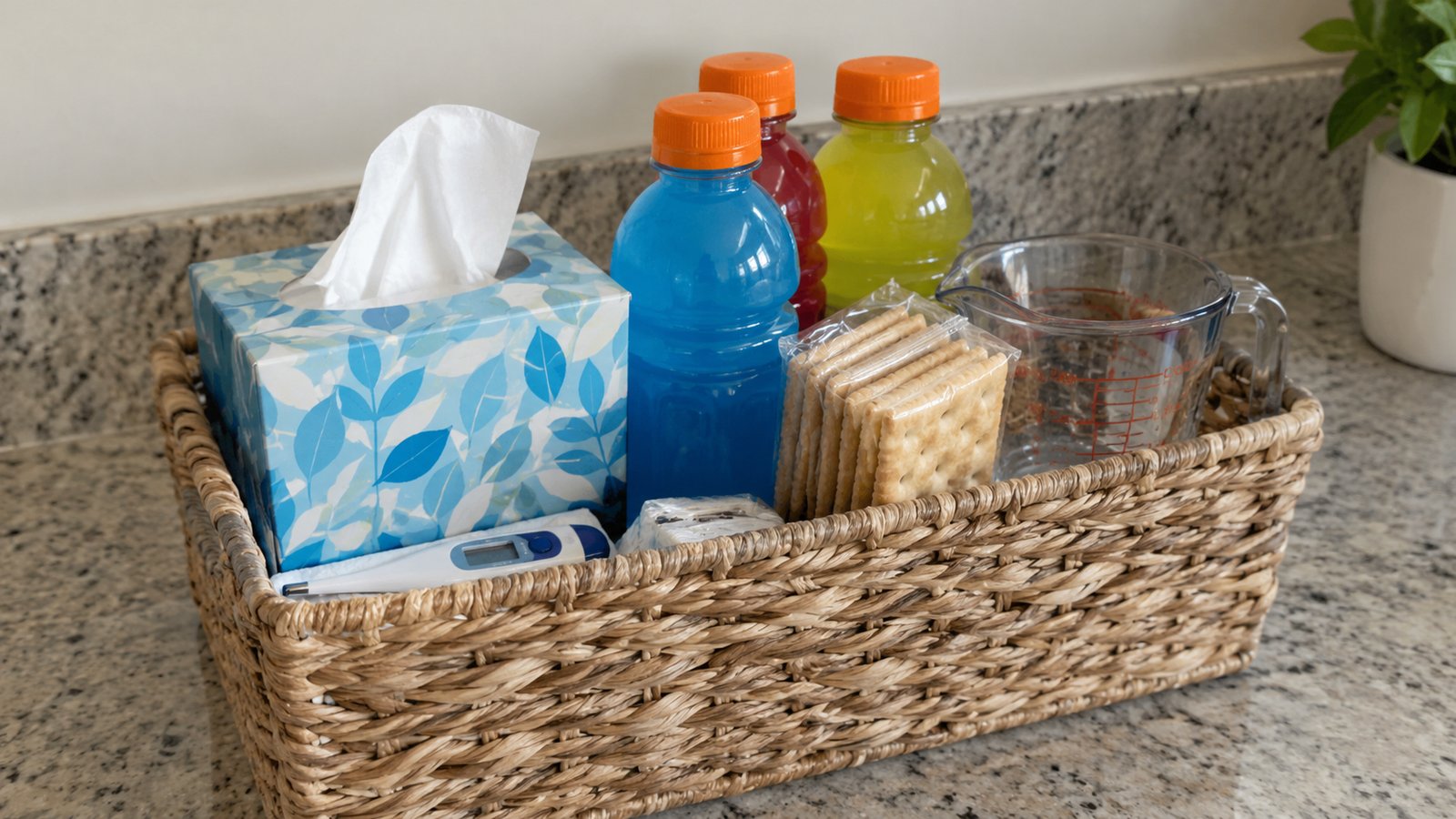
A basket or bin with the basics saves a late-night store run. Keep a thermometer with fresh batteries, a measuring syringe or cup for liquid medicine, tissues, an electrolyte drink or rehydration solution, crackers, popsicles, and a few quiet activities. Check expiration dates twice a year and keep medicine out of children’s reach.
Keep the day calm and quiet
A sick child needs rest and fluids more than entertainment. Plan low-key activities: audiobooks, a pile of picture books, coloring or a movie on the couch. Printables are useful here, and we have plenty of coloring pages and mindfulness activities that kids can do in bed.
Sick Child, Tired Parent
Sick days take a toll on you as well. Between the extra laundry, the interrupted sleep and the missed work, it is easy to feel depleted. Give yourself permission to lower the bar for a day or two. Dinner can be toast and soup. The house can stay messy. When your child is back at school, take a quiet half hour to recover. Our 5 tips to reduce stress for moms offers small ways to reset.
One more thing worth doing is to ask your pediatrician at the next checkup what they want you to call about and when. Every practice has its own preferences for fever in babies, for after-hours questions and for how to send photos of rashes. Having those answers written down before the next fever makes the night far less stressful.
And if you are not sure about a symptom, call. Pediatric nurses answer these questions all day, and they would rather hear from you early than late.

Frequently Asked Questions
How long should a child stay home after a fever?
Most schools and health agencies advise staying home until the child has been fever-free for 24 hours without using fever-reducing medicine.
Can my child go to school with a cold?
Often yes, if there is no fever, and the child feels well enough to take part. Children with a heavy cough, constant runny nose or low energy may need a day at home. Follow your school’s policy.
When can my child return after vomiting?
Many schools require 24 hours after the last episode of vomiting or diarrhea. Your child should also be able to eat and drink normally.
Is a low-grade fever of 99°F a reason to stay home?
The CDC and AAP define fever as 100.4°F or higher, so 99°F is typically not a fever. If your child seems unwell, trust your judgment and keep them home to rest.
Should I give my child fever medicine before school?
No. Giving medicine to bring down a fever so your child can attend school hides the signal that the child is still ill and can spread illness to others. Wait until the child is fever-free for 24 hours without medicine.
Sources: CDC, “Respiratory Virus Guidance” and “Flu Symptoms in Children”; American Academy of Pediatrics, HealthyChildren.org on fever and school exclusion; FDA, Reye syndrome and aspirin warning. Product links are affiliate links. This article is general information and not medical advice.