
Home Fire Safety for Families: Smoke Alarms, Escape Plans and Kitchen Rules
A home fire safety checklist for families based on NFPA and CPSC advice: where to put smoke and CO alarms, how to build and practice an escape plan, and kitchen and candle rules.
As an Amazon Associate I earn from qualifying purchases. Some links in this post are affiliate links, which means I may earn a small commission at no extra cost to you.
Most families never need to use a fire escape plan. That is exactly why so many of them do not have one. Fires move faster than people expect, and in the dark, with smoke filling a hallway, nobody thinks clearly. A plan that has been talked through and practiced takes the thinking out of the moment, which is when it counts.
This checklist draws on guidance from the National Fire Protection Association (NFPA), the U.S. Fire Administration and the Consumer Product Safety Commission (CPSC). It covers smoke and carbon monoxide alarms, building and practicing an escape plan with children, cooking and candle safety, and a few seasonal reminders. You can finish most of it in a weekend, and the payoff lasts years.
Quick answer: put smoke alarms on every level of your home, inside each bedroom and outside every sleeping area. Test them monthly and replace the whole unit every 10 years. Make a home escape plan with two ways out of every room, pick a meeting place outside, and practice it twice a year.
Why Working Smoke Alarms Matter So Much
The NFPA reports that three of every five home fire deaths happen in homes with no smoke alarms or no working smoke alarms. A working alarm gives you the early warning that can turn a dangerous fire into a close call. Fires can spread through a home in just a few minutes, and smoke can make people drowsy, which is one reason alarms matter for nighttime fires.
The most common alarm problem is not a missing alarm but a dead battery, often one that was removed after the alarm chirped or went off while someone cooked. If an alarm goes off while you are cooking, fan it, open a window, or use the hush button rather than removing the battery.
Where to Put Smoke Alarms
The NFPA recommends the following placement for smoke alarms in homes:
- Inside every bedroom.
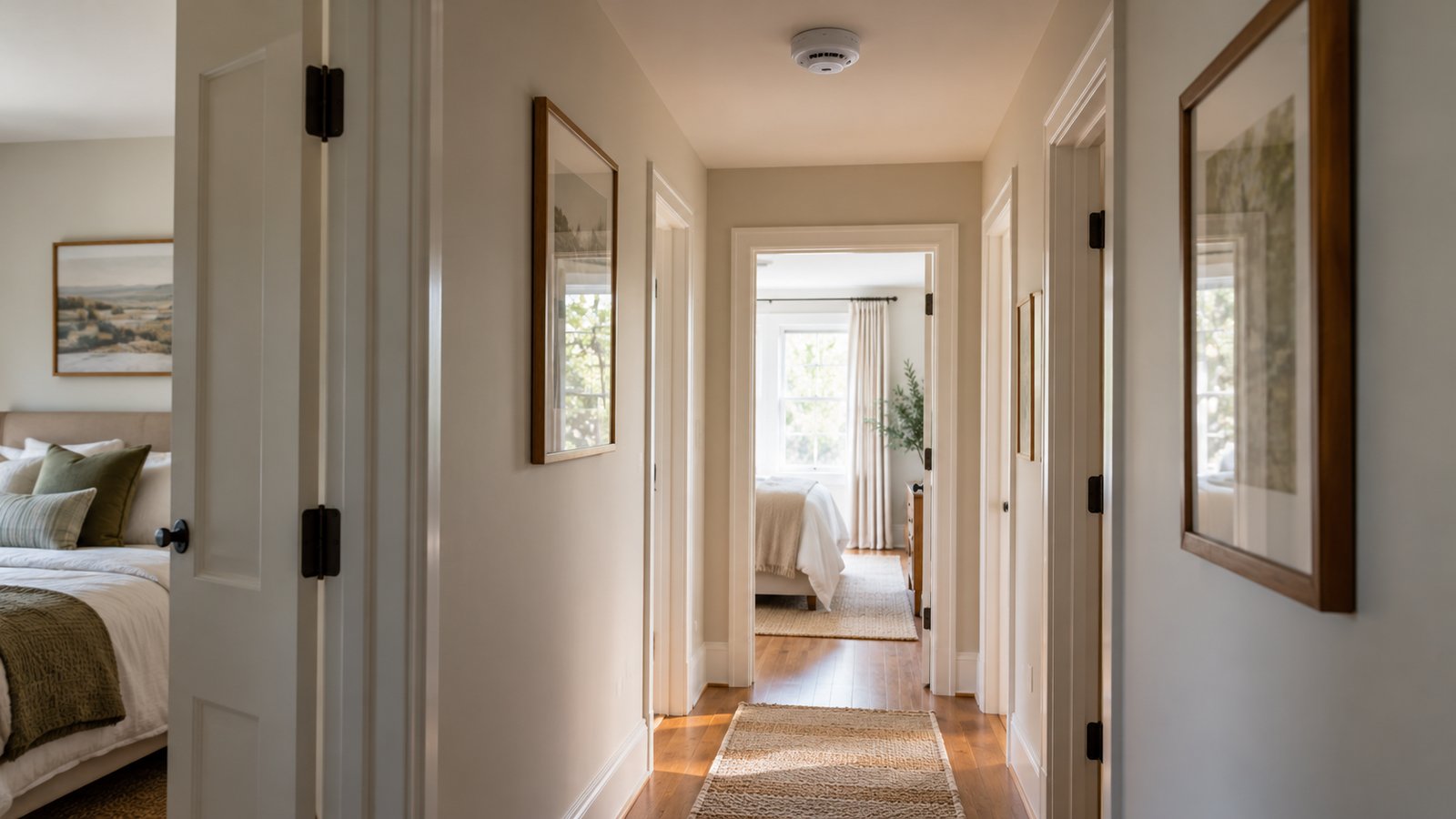
- Outside every separate sleeping area, such as the hallway near the bedrooms.
- On every level of the home, including the basement.
- On the ceiling or high on a wall, because smoke rises. Keep them at least 10 feet from a cooking appliance to cut down on false alarms.
- Interconnected, if possible, so that when one alarm sounds, they all sound.
Interconnected alarms are especially helpful in larger homes or in homes where children sleep on a different floor from their parents. Many modern models connect wirelessly. If you are replacing old alarms, look for ones with sealed 10-year batteries, which remove the need to change batteries.
Carbon monoxide alarms
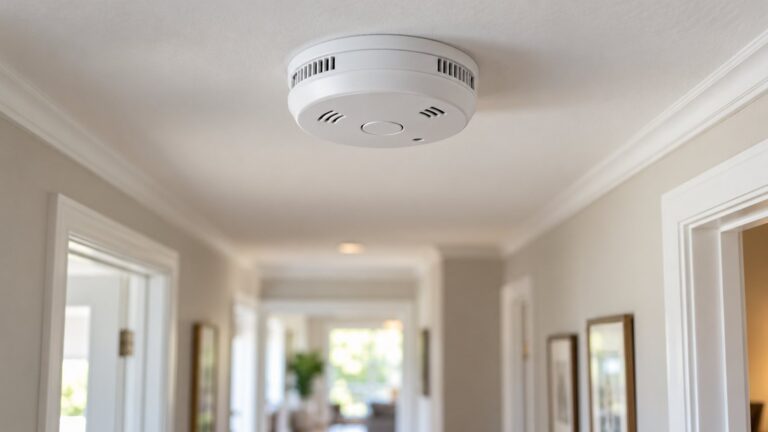
Carbon monoxide (CO) is an invisible, odorless gas that can build up from furnaces, water heaters, fireplaces, gas stoves, portable generators and cars left running in an attached garage. The CPSC recommends CO alarms on every level of the home and outside each sleeping area. Combination smoke and CO alarms save wall space, and one example is this Kidde combination smoke and carbon monoxide detector with a 10-year battery. Check that the model you buy matches your home’s wiring or battery needs, and follow the maker’s installation instructions.
Never use a generator, grill or camp stove inside the house or garage, and have fuel-burning appliances checked each year by a professional.
Test, clean and replace
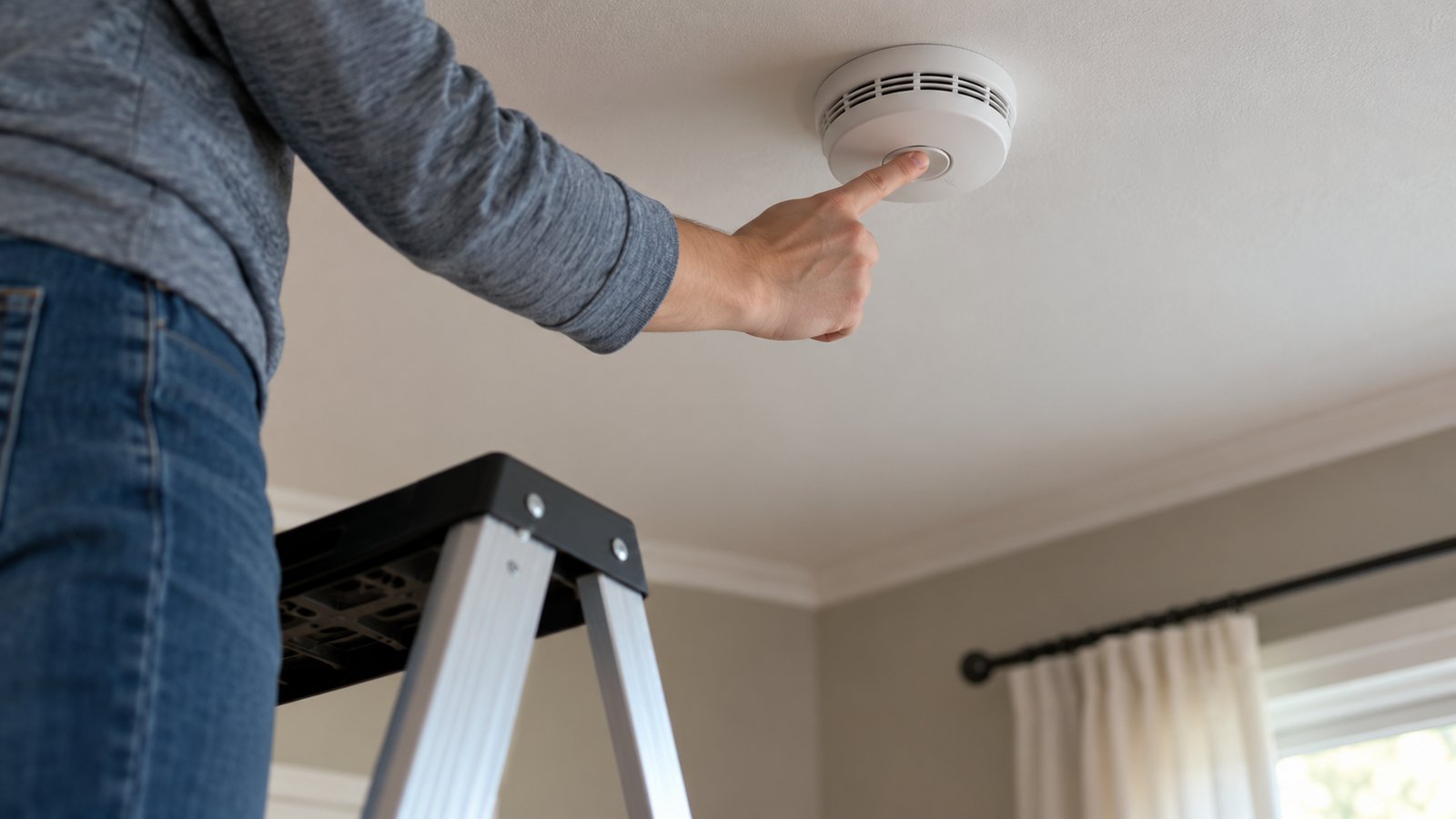
- Press the test button once a month. Make it part of a monthly routine, like the first of the month.
- Vacuum or dust the alarm gently twice a year so that dust does not build up.
- Replace batteries once a year in alarms that use regular batteries, or when the alarm chirps to tell you it is low.
- Replace the entire alarm every 10 years. The manufacture date is on the back of the alarm.
If your monthly list is already long, add the alarm test to your household schedule. Our cleaning schedule template and monthly printable calendar are good places to track it.
Build a Home Escape Plan
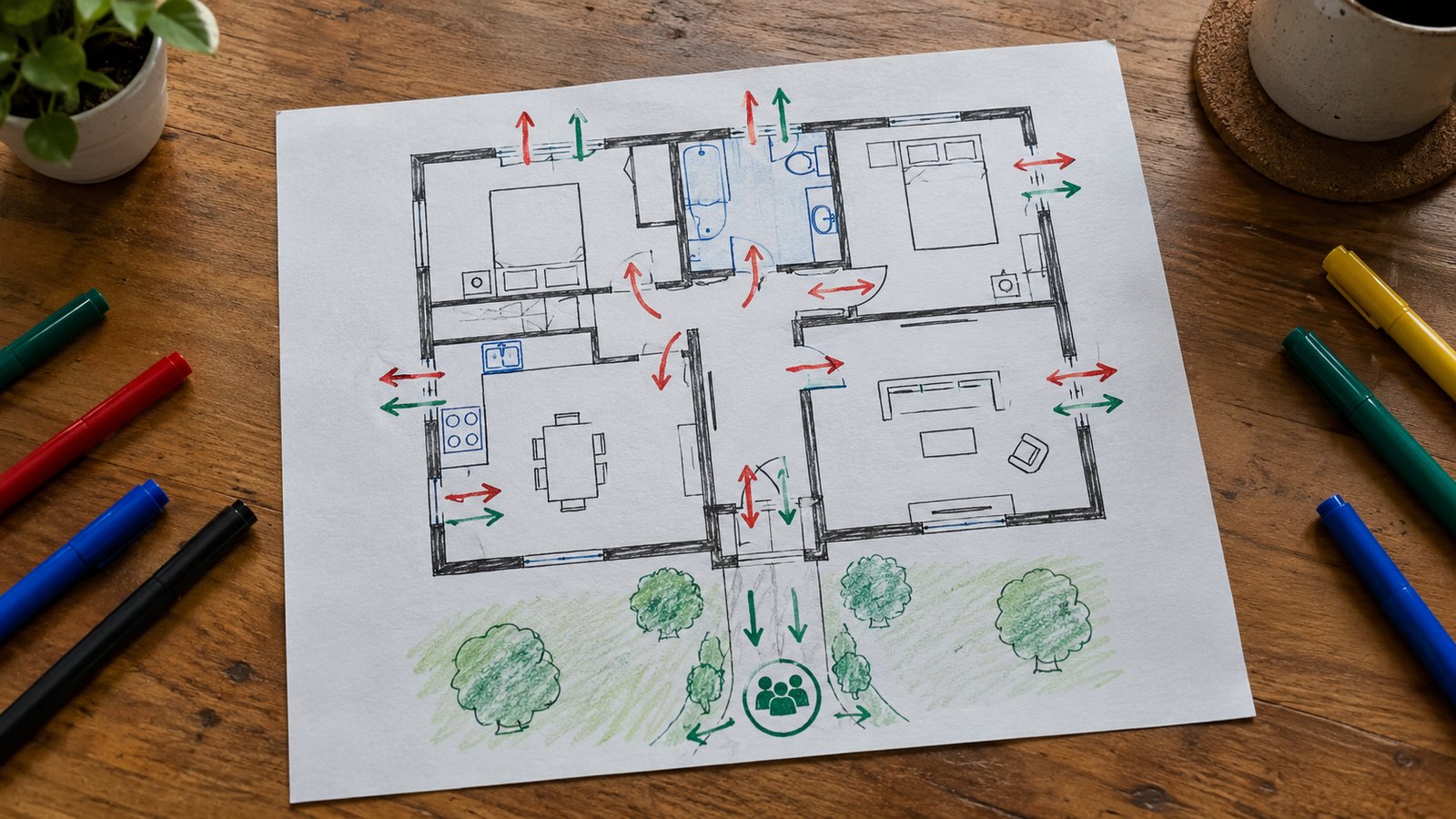
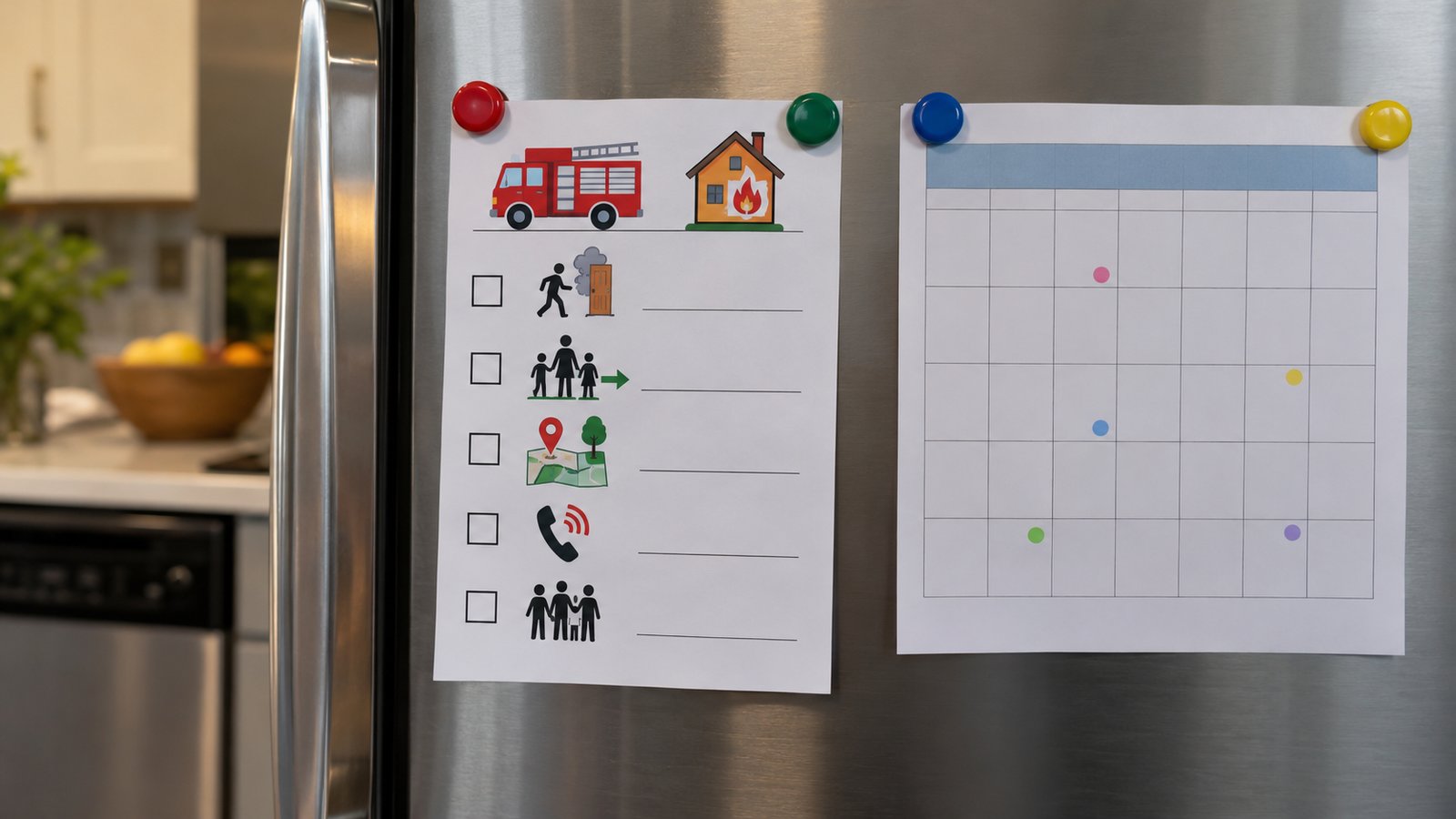
A home escape plan is a simple drawing of your home with two ways out of every room, usually a door and a window, plus a meeting place outside. The NFPA recommends practicing it at least twice a year, including at night when children are in bed.
Step by step
- Draw a floor plan of each level of your home. Mark all doors and windows.
- Plan two ways out of each room. Make sure windows open easily and that screens or security bars can be removed quickly.
- Choose a meeting place outside that is a safe distance from the house, such as a mailbox or a neighbor’s tree, and teach everyone to go straight there.
- Make sure the house number is visible from the street so firefighters can find you.
- Talk about what to do: get out, stay out, and call 911 from outside. Never go back inside for people, pets or belongings.
- Decide who helps babies, younger children, older relatives or anyone who needs assistance.
- Practice by running a drill. Test your alarm sound so children know what it means.
Children should learn to crawl low under smoke, to feel a door with the back of the hand before opening it, and to use another way out if the door is hot. If clothing catches fire, teach “stop, drop and roll.” For apartment or high-rise buildings, learn the building’s plan, and do not use the elevator in a fire.
Make the drill part of normal life
Children respond best to practice that feels like a game, not a scare. Pick a time and say, “Let’s see how fast we can get to the mailbox.” Time it. Try again with the lights off. Make a small celebration of it. The aim is that the actions become automatic, so kids know what to do even if they are half asleep.
Do not be discouraged if the first drill is chaotic. A child who needs to be woken, a stuck window or a locked door are all things you want to discover in a drill, not a fire. Fix them, and drill again.
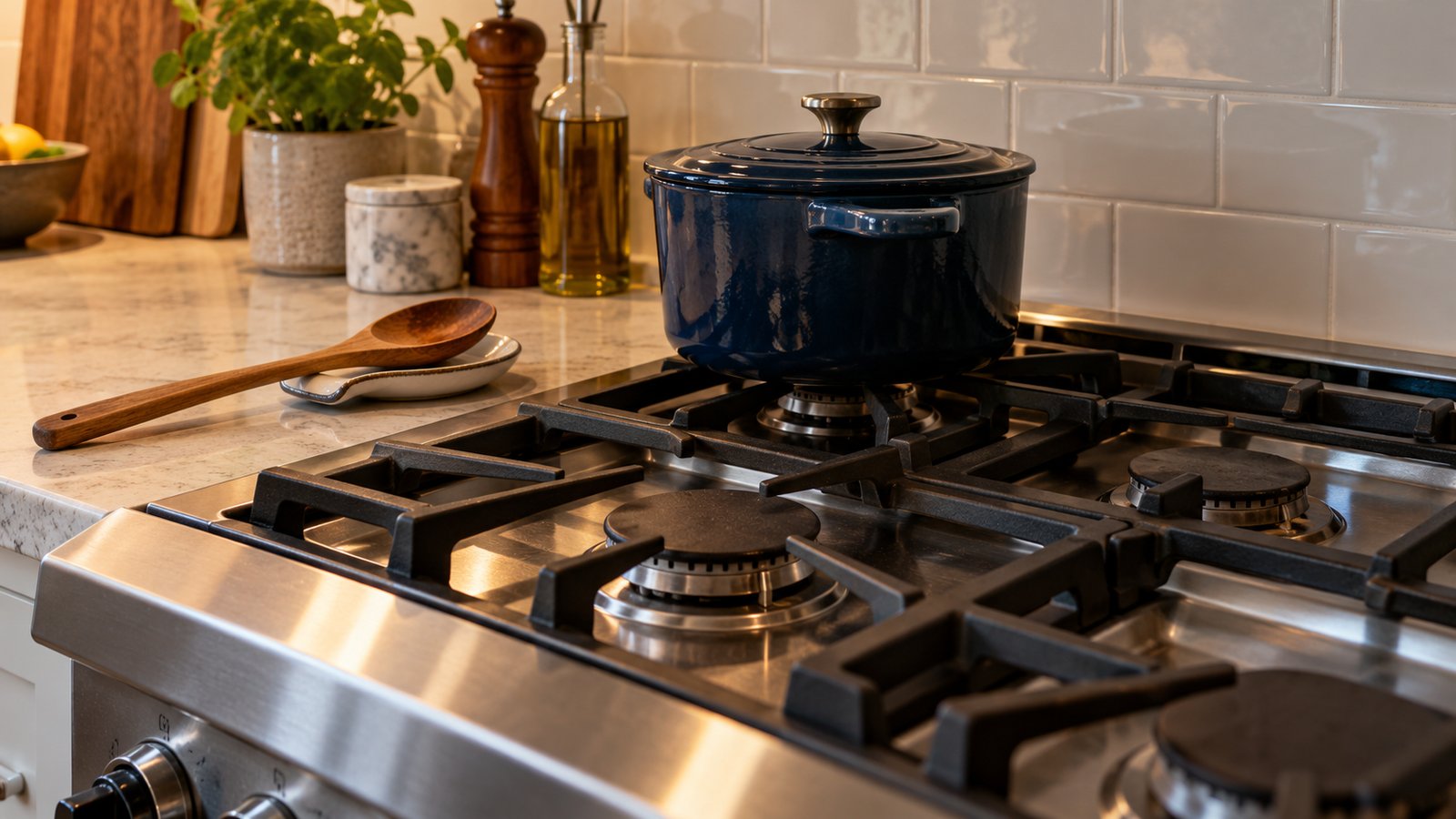
Kitchen Safety: The Leading Cause of Home Fires
According to the NFPA, cooking is the leading cause of reported home fires and fire injuries. The most common cause is unattended cooking. A few habits cut the risk:
- Stay in the kitchen when you are frying, grilling or broiling. If you must leave, even briefly, turn off the burner.
- Keep anything that can burn, such as towels, oven mitts, paper and packaging, away from the stovetop.
- Set a “kid-free zone” of at least 3 feet around the stove and any hot food or drink.
- Turn pot handles inward so children cannot grab them.
- If a small grease fire starts in a pan, slide a lid over it and turn off the heat. Never use water. For an oven fire, keep the door closed and turn the oven off.
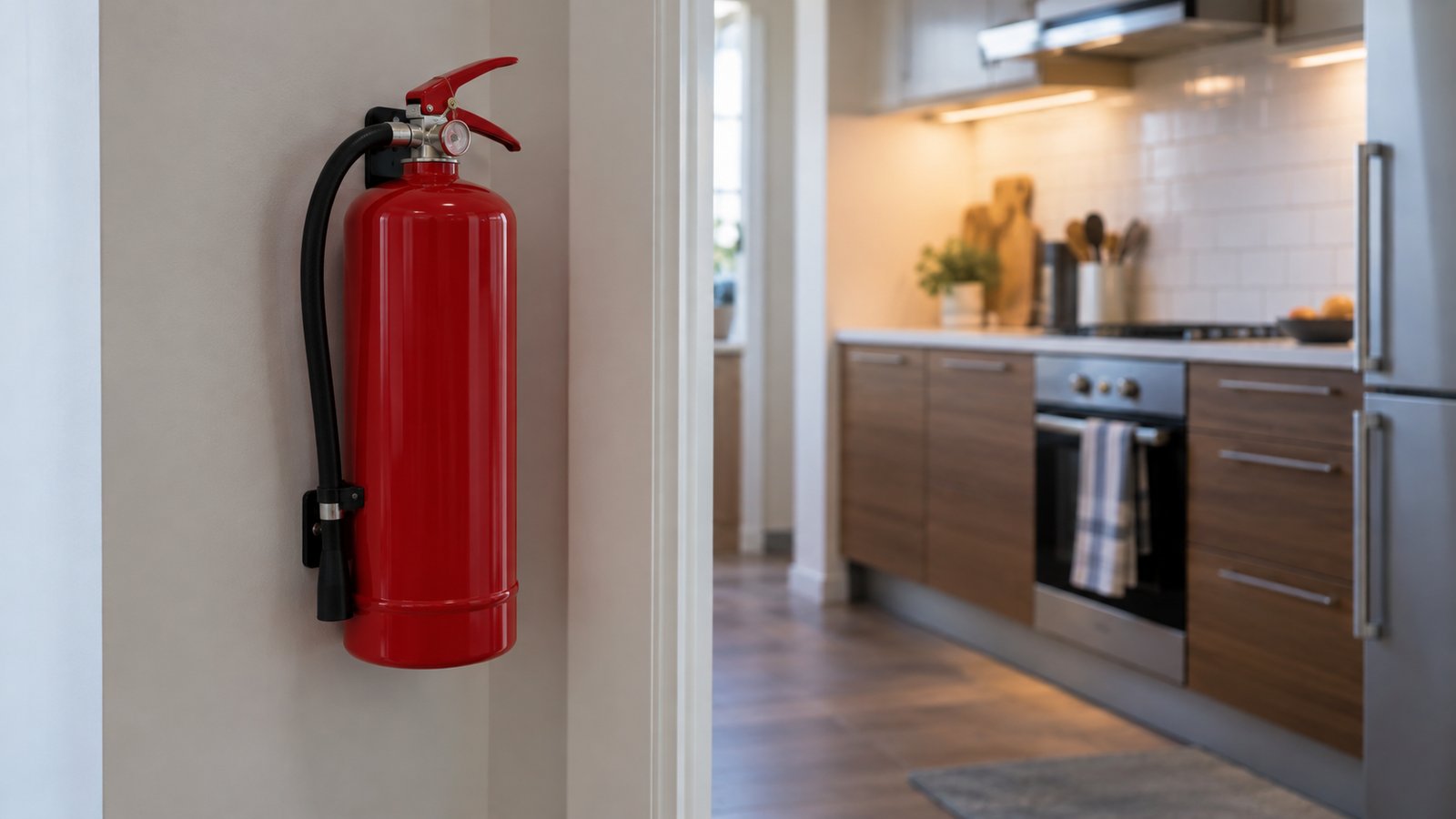
- Keep a fire extinguisher within reach, and learn how to use it. Remember the word PASS: pull, aim, squeeze, sweep.
Busy kitchens with children underfoot are chaotic, and it is easy to get distracted. If dinner is rushed most nights, try planning ahead. Our list of meals for dinner and Instant Pot meatball subs are simple options when you want less time over the stove.
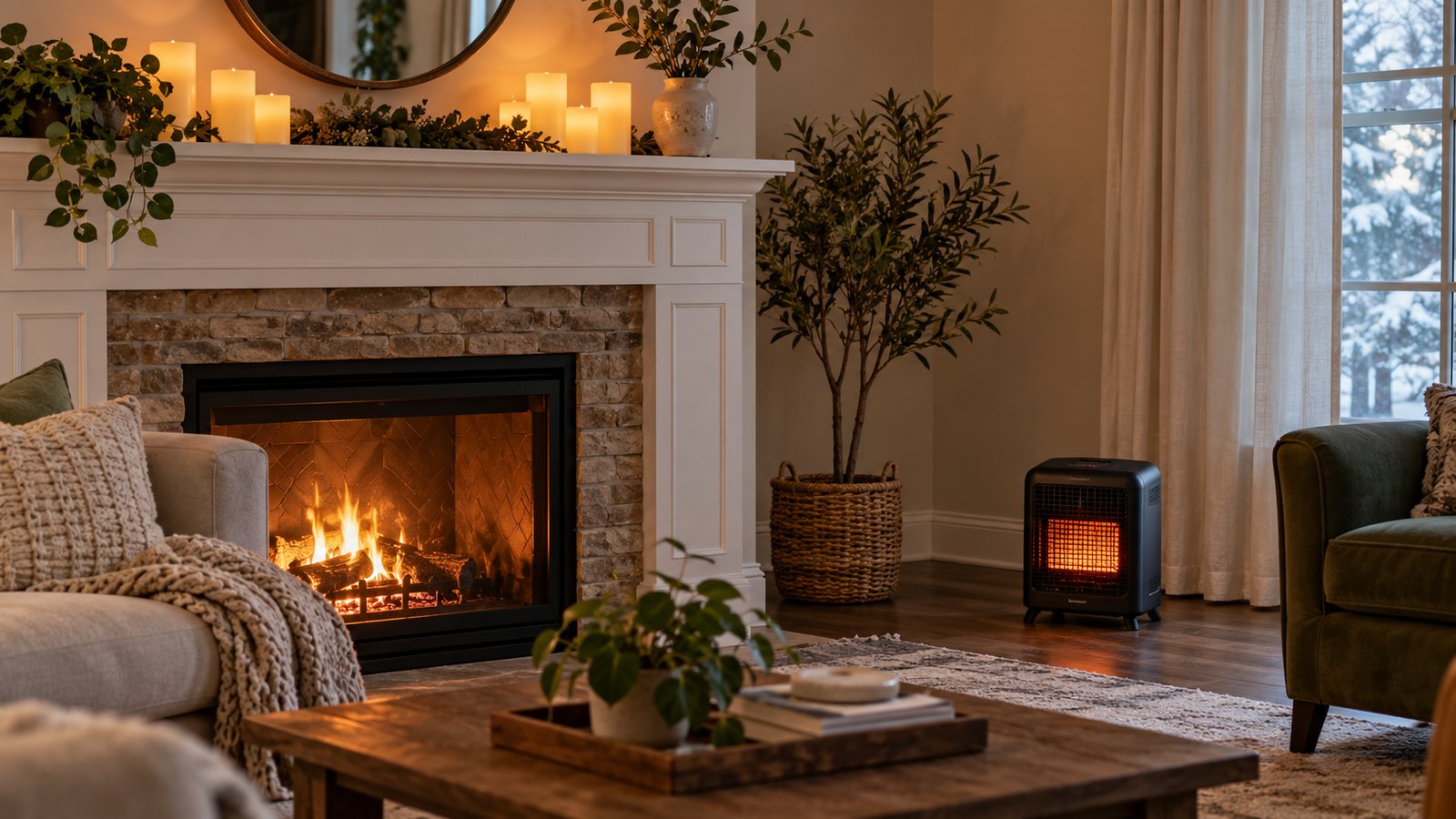
Candles, Heaters and Other Home Hazards
Candles, space heaters and electrical cords cause a large share of fires in the colder months. The NFPA offers several simple rules.
- Never leave a candle burning when you leave the room or go to bed. Consider flameless candles, especially around children and pets.
- Keep candles at least 12 inches from anything that can burn.
- Keep space heaters at least 3 feet from curtains, bedding and furniture, and plug them directly into the wall, not an extension cord. Turn them off when you leave the room.
- Do not overload outlets, and replace frayed or damaged cords.
- Store matches and lighters up high, in a locked or child-resistant place.
If you enjoy making candles at home, our DIY lavender candle and essential oil candle posts are fun projects, but burn them with the same care as any candle.
Teaching Children About Fire, by Age
Children need different lessons at different ages, and the tone should stay calm and matter-of-fact. Fear does not teach people to act well, but practice does.
Toddlers and preschoolers
Keep lessons simple. Teach them that matches and lighters are for grown-ups, that hot things hurt, and that when the alarm makes a loud sound, we go outside together. Practice walking to the meeting place while holding a hand. Tell them to never hide under a bed or in a closet during a fire, because firefighters in gear can look scary, and children sometimes hide from them. Letting kids see a firefighter in full equipment, for example at a fire station open house, can help them know that this person is a helper.
Elementary-age kids
Children in this range can learn to recognize the smoke alarm sound, to crawl low, to test a door for heat and to dial 911. Role-play the call, and teach them their full name and address. Show them how to release the latches on windows and doors and how to open them without help. Fire departments and the NFPA offer free kids’ safety activities that make this part feel like play.
Tweens and teens
Older children can take on tasks such as testing the alarms each month, helping younger siblings, and knowing where the extinguisher is. They also need clear rules about candles, cooking, chargers and space heaters. Teens who cook for themselves should understand the stay-in-the-kitchen rule. Remind them not to charge devices under pillows or on beds, because overheating batteries and cords are a known hazard.
Sleepovers, babysitters and guests
Fire safety does not stop at your front door. Before a sleepover, a child should know how to find the exits in a friend’s home. Before a babysitter takes over, show them your escape plan, the meeting place and where the alarms and extinguisher are, and give them emergency numbers. The same goes for house guests and grandparents who stay overnight: point out the exits and how to open the windows.
Seasonal Fire Reminders
Fire risks change with the calendar. In the fall and winter, chimneys and heating equipment need inspection, and holiday decorations can be a hazard. Real Christmas trees dry out quickly, so water them daily and keep them away from heat sources. Turn off holiday lights when you go to sleep or leave the house. In the summer, grills should be used outdoors, away from siding and eaves.
Fire safety is not one thing you do. It is a handful of habits, repeated. Tie them to events you already remember: test alarms on the first of the month, drill at the time change, and review your plan when a child gets a new bedroom or when you have visitors staying over.
Frequently Asked Questions
How often should I replace smoke alarms?
The NFPA recommends replacing smoke alarms every 10 years, or sooner if they do not respond when tested. The manufacture date is printed on the back.
Do I need both smoke and carbon monoxide alarms?
Yes. They detect different hazards. You can buy separate alarms or combination alarms that detect both.
How often should we practice a fire drill?
At least twice a year, including one at night, according to the NFPA. Practice again whenever the household changes, such as after a move or when a new baby arrives.
What should I do if the smoke alarm goes off while cooking?
Open a window, fan the alarm or press the hush button, and never remove the battery. If there is real fire, get everyone out and call 911 from outside.
Are fire extinguishers necessary?
The NFPA says a portable extinguisher is useful for small fires, but the first priority is always to get out and call for help. Only fight a small fire if everyone is safe, you have a clear exit behind you, and you know how to use the extinguisher.
Sources: National Fire Protection Association (NFPA) smoke alarm, escape planning and cooking safety guidance; U.S. Consumer Product Safety Commission carbon monoxide recommendations; U.S. Fire Administration. Product links are affiliate links. Follow the instructions of your local fire department.