Car Seat Stages: When to Switch From Rear-Facing, Forward-Facing and Booster
A plain-English guide to car seat stages from the AAP and NHTSA: when to turn a child forward-facing, when to move to a booster, how to check fit, and common mistakes to avoid.
As an Amazon Associate I earn from qualifying purchases. Some links in this post are affiliate links, which means I may earn a small commission at no extra cost to you.
Car seats come with a lot of opinions, a lot of numbers and a lot of anxiety. Parents ask: Is my toddler ready to face forward? Is it time for a booster? Does the chest clip go up here or down there? Part of the confusion is that car seat advice changed over the years, and relatives who raised kids a generation ago may remember something different.
This guide lays out the current recommendations from the American Academy of Pediatrics (AAP) and the National Highway Traffic Safety Administration (NHTSA). It explains each stage, how to know when your child has outgrown a seat, the fit checks that matter, and mistakes that are easy to make. Laws differ by state, and each seat has its own limits, so read your seat’s manual and check your state’s rules as well.
Quick answer: keep children rear-facing as long as possible, until they reach the top height or weight limit of their seat. Then use a forward-facing seat with a harness until they outgrow it, then a booster until the vehicle seat belt fits correctly, which is often around 4 feet 9 inches tall and between 8 and 12 years old. Children under 13 should ride in the back seat.
The Four Stages in Brief
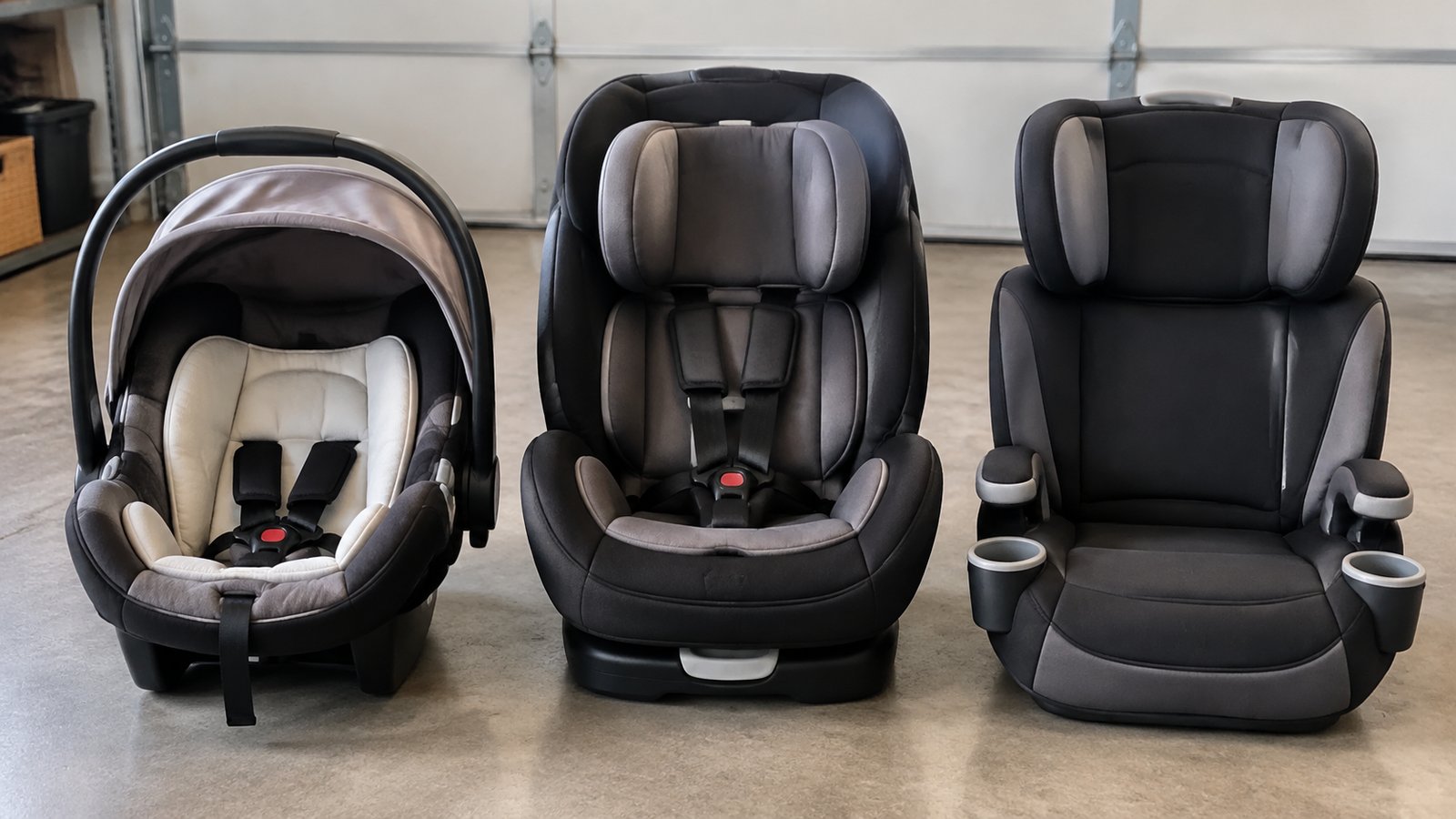
Car seat advice is built around the idea that each stage offers the best protection for a child’s size and development. Moving a child to the next stage too early means giving up some protection. NHTSA describes the stages as follows:
- Rear-facing seat: from birth until the child reaches the top height or weight allowed by the seat.
- Forward-facing seat with a harness: after outgrowing the rear-facing seat, until the child reaches the top height or weight allowed by the harness.
- Booster seat: after outgrowing the harness seat, until the adult seat belt fits properly.
- Seat belt: when the adult belt fits correctly without a booster.
Age ranges are only rough guides, because kids vary in height and weight. The AAP advises to follow the seat limits, not birthdays.
Stage One: Rear-Facing
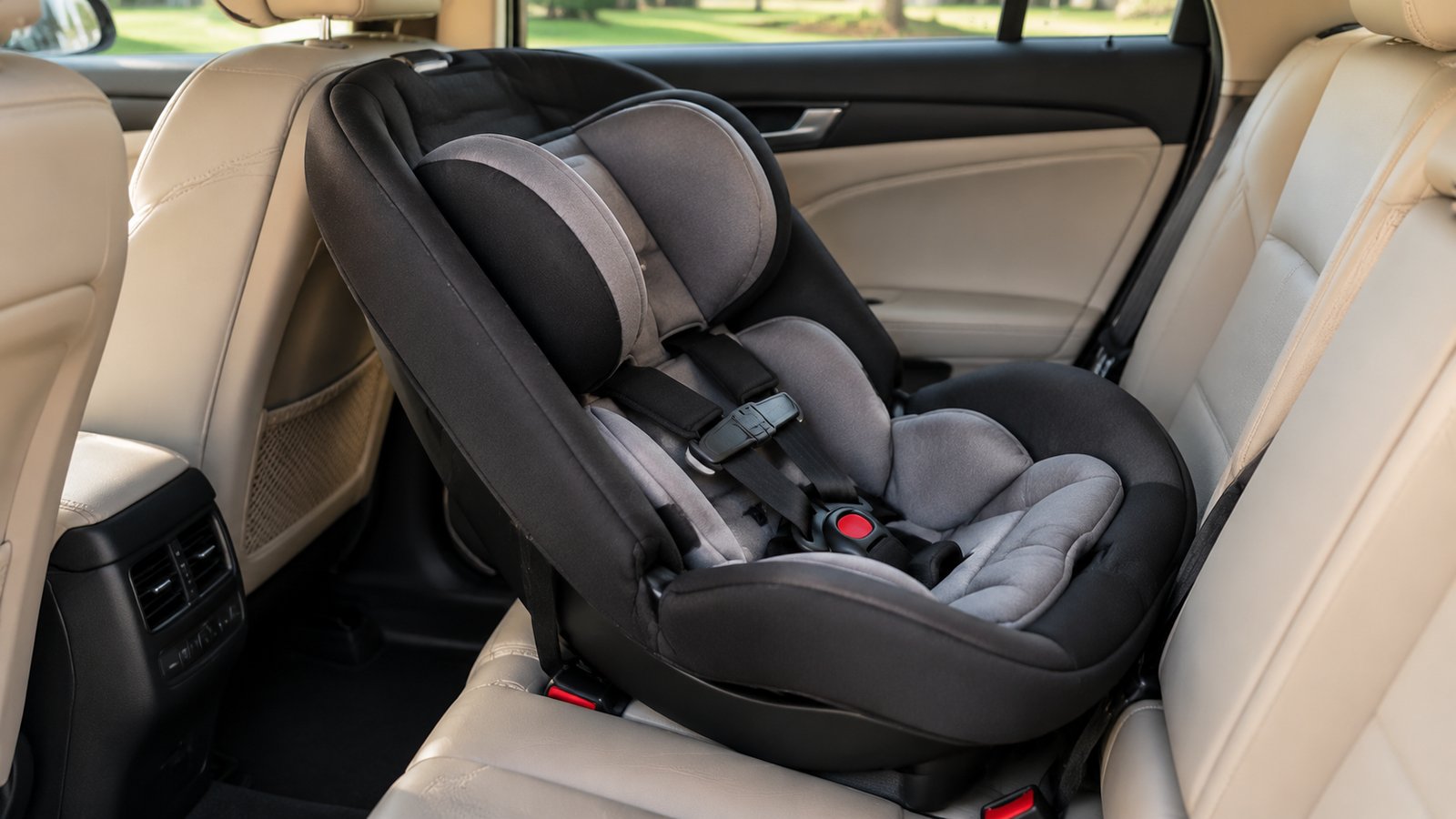
In a crash, a rear-facing seat cradles the head, neck and spine and spreads crash forces across the whole back of the seat. A young child’s head is large compared with the rest of the body, and the neck bones are still developing, so this position offers important protection. The AAP recommends that infants and toddlers ride rear-facing as long as possible, until they reach the highest weight or height allowed by their seat. For most children that means well past their second birthday.
Infant seats and convertible seats
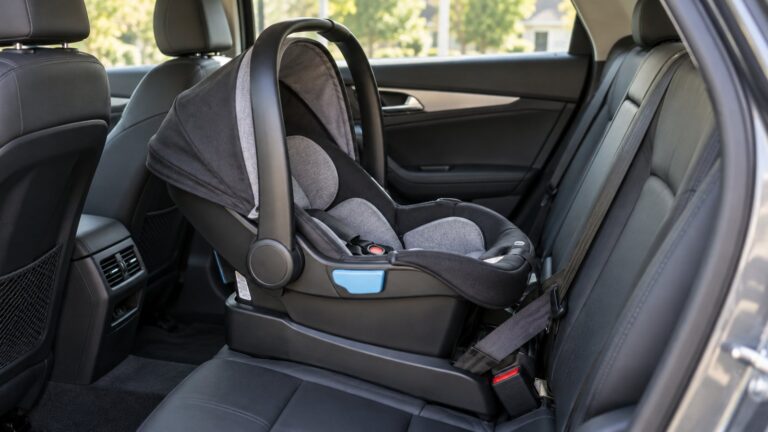
Infant-only seats are rear-facing, carry a baby with a handle, and often click into a base left in the car. They are convenient, but babies outgrow them within the first year or so. Convertible seats can be used rear-facing and then turned forward-facing, and many have high rear-facing limits that let a child ride rear-facing for years. If you are shopping, look at the maximum rear-facing weight and height. A seat such as the Graco Extend2Fit convertible car seat is built with extended rear-facing in mind, though you should always compare limits and check the fit in your own vehicle.
Common worries about rear-facing
Parents often worry that legs look cramped. Children are flexible and tend to sit cross-legged or with legs propped up, and leg injuries in rear-facing seats are rare. The extra protection for the head and spine matters more than leg room.
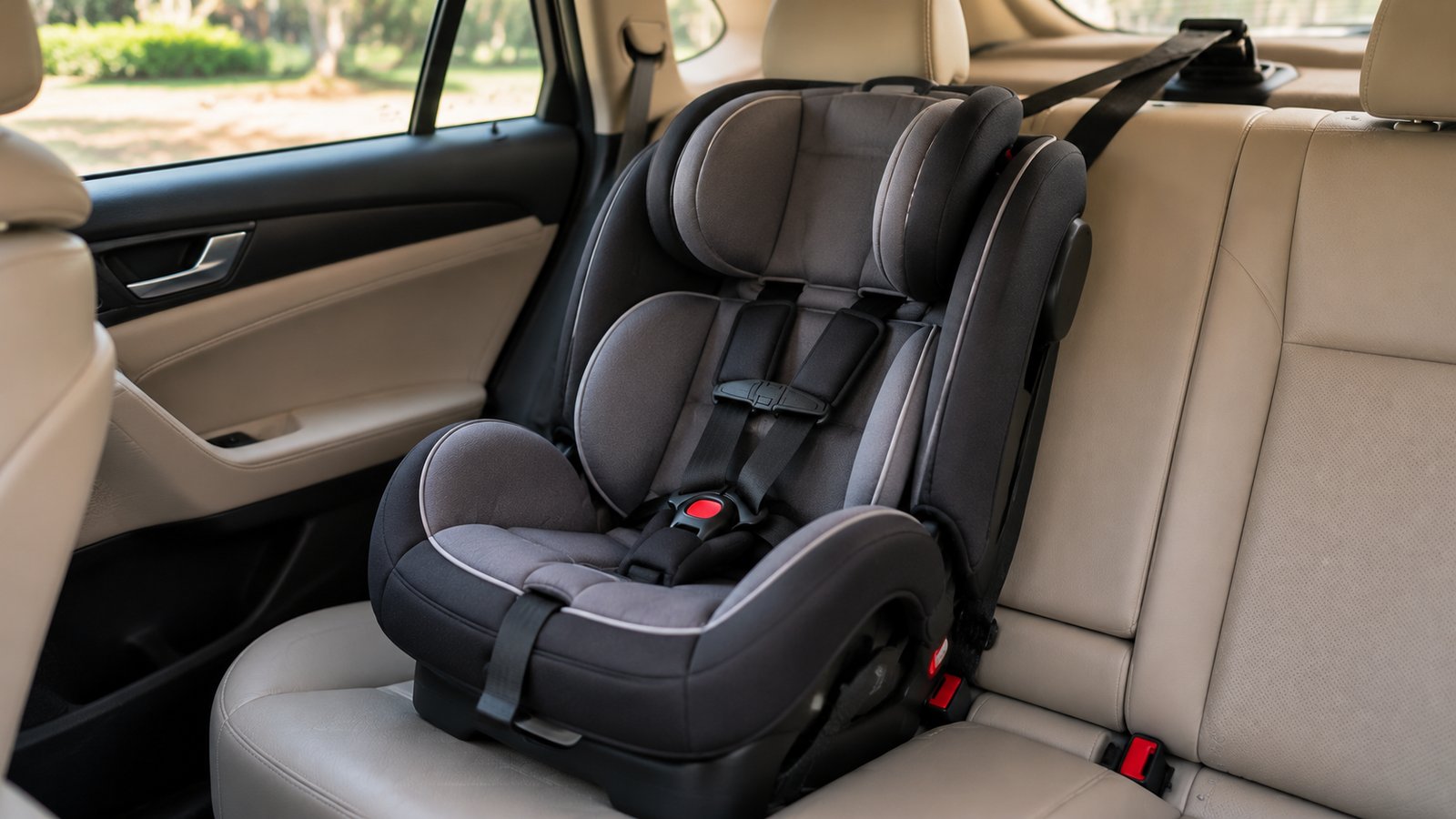
Stage Two: Forward-Facing With a Harness
Once a child has outgrown the rear-facing limits, the next step is a forward-facing seat with a five-point harness. The harness spreads crash forces over the strongest parts of the body: the shoulders, the hips and the chest. Keep the child in the harness until they reach the top weight or height limit for it, which may be 65 pounds or more for many seats.
- Harness straps should come from at or above the shoulders when forward-facing (at or below when rear-facing).
- Use the top tether every time. It is a strap on the back of the seat that connects to an anchor in the car and reduces head movement in a crash.
- The chest clip belongs at armpit level.
- Snug the harness so you cannot pinch any extra webbing at the child’s collarbone.
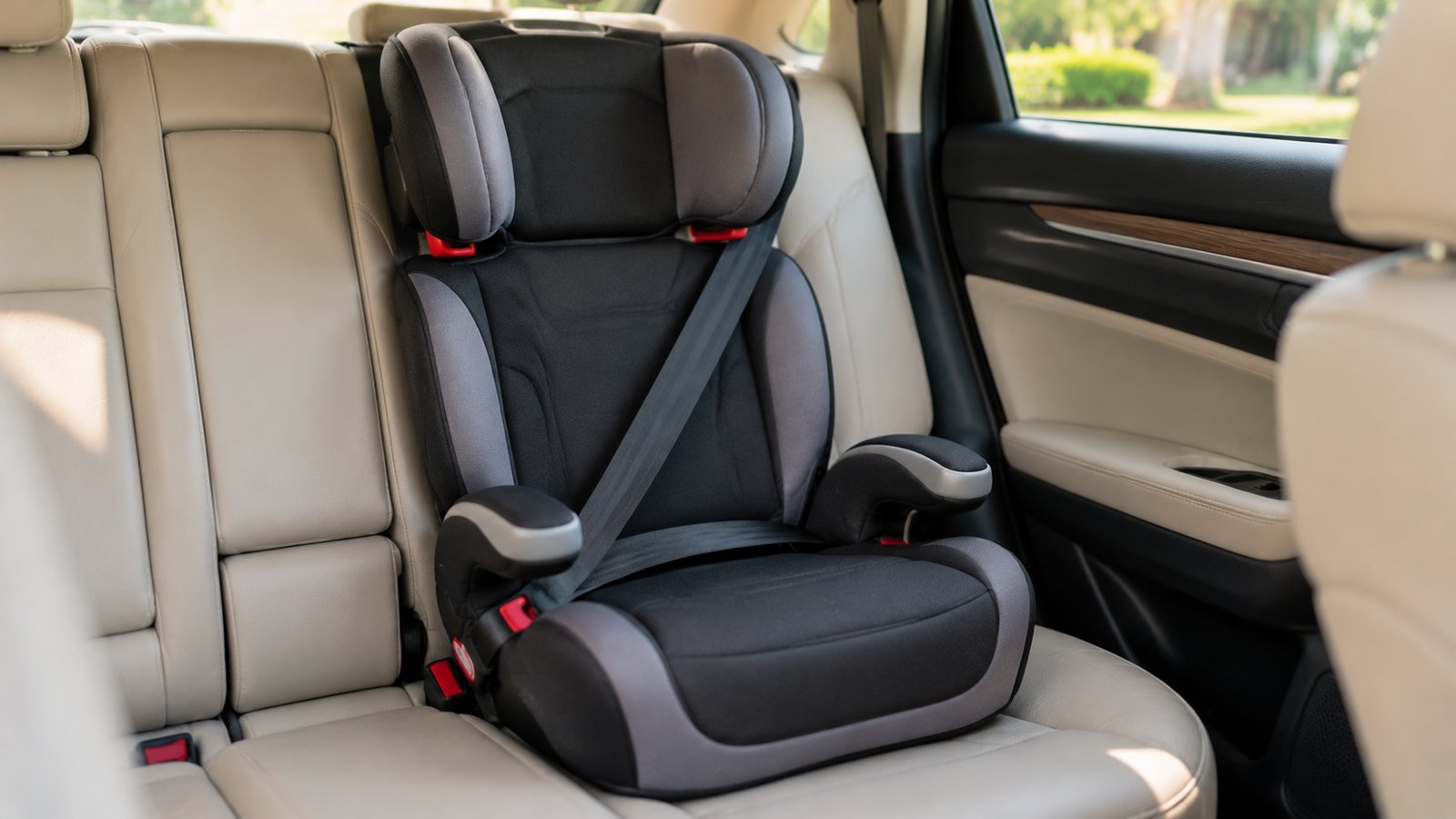
Stage Three: Booster Seats
Booster seats lift a child so the adult seat belt crosses the body at the right places. Without a booster, the lap belt rides up on the soft belly, and the shoulder belt crosses the neck. Both can cause serious injuries in a crash. The AAP recommends using a belt-positioning booster until the seat belt fits correctly, which is typically when a child reaches 4 feet 9 inches in height and is between 8 and 12 years old.
There are high-back boosters, which offer head and neck support and are helpful in cars with low seat backs, and backless boosters, which are portable and handy for carpools and travel. Both work if the child fits the seat and the belt fits the child.
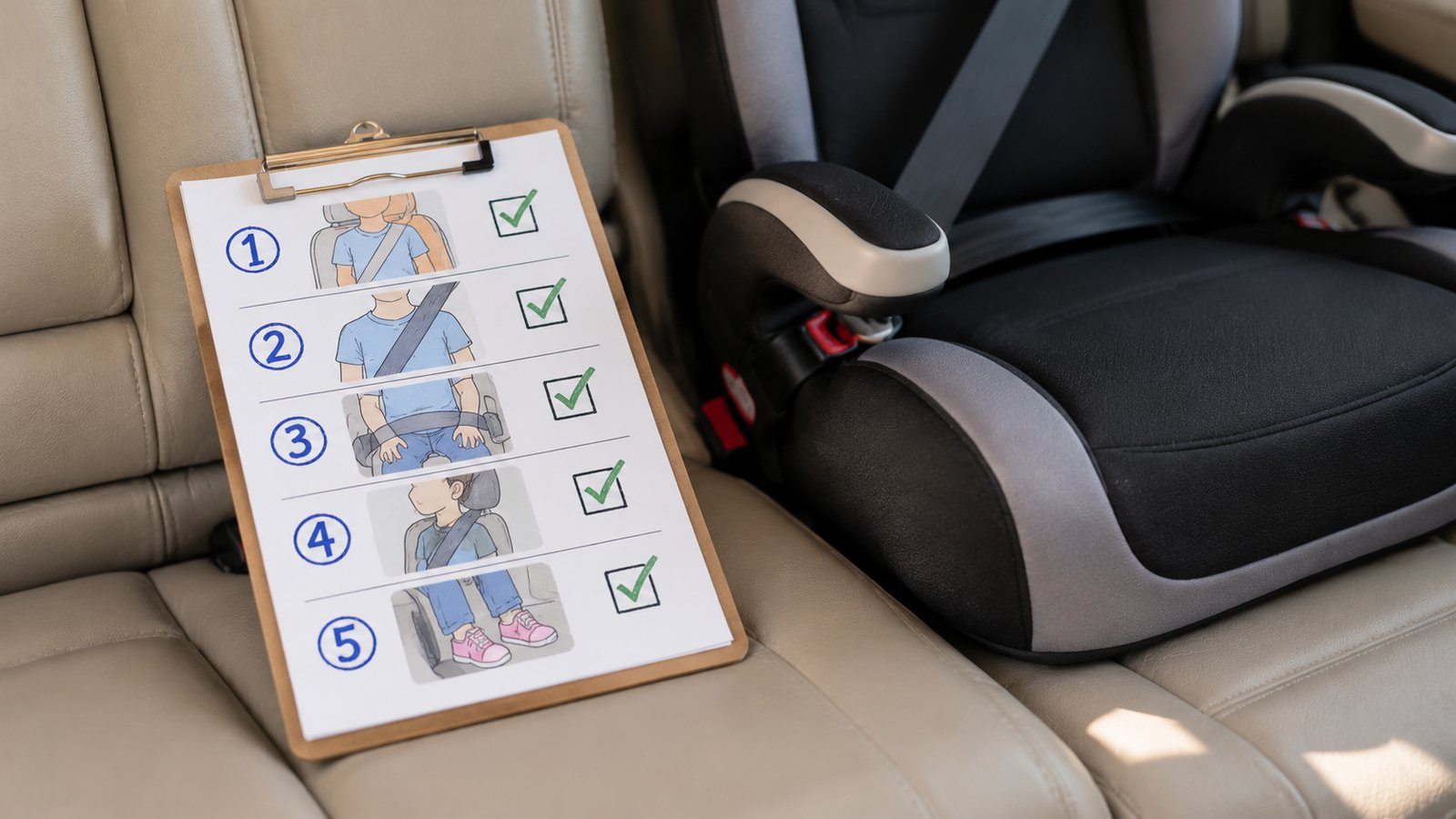
Stage Four: The Seat Belt Fit Test
Before a child leaves the booster, use the five-step test that NHTSA and many safety groups recommend. Have your child sit in the car without a booster and check:
- Does the child’s back rest fully against the vehicle seat?
- Do the knees bend naturally at the edge of the seat?
- Does the lap belt sit low on the hips, touching the tops of the thighs?
- Does the shoulder belt cross the middle of the shoulder and chest, not the neck or face?
- Can the child stay seated this way for the whole trip?
If the answer to any of these is no, the child still needs a booster. Many kids are older than 8 before they pass the test. It is also worth repeating that all children under 13 are safest in the back seat. Front airbags are designed for adults and can injure children.
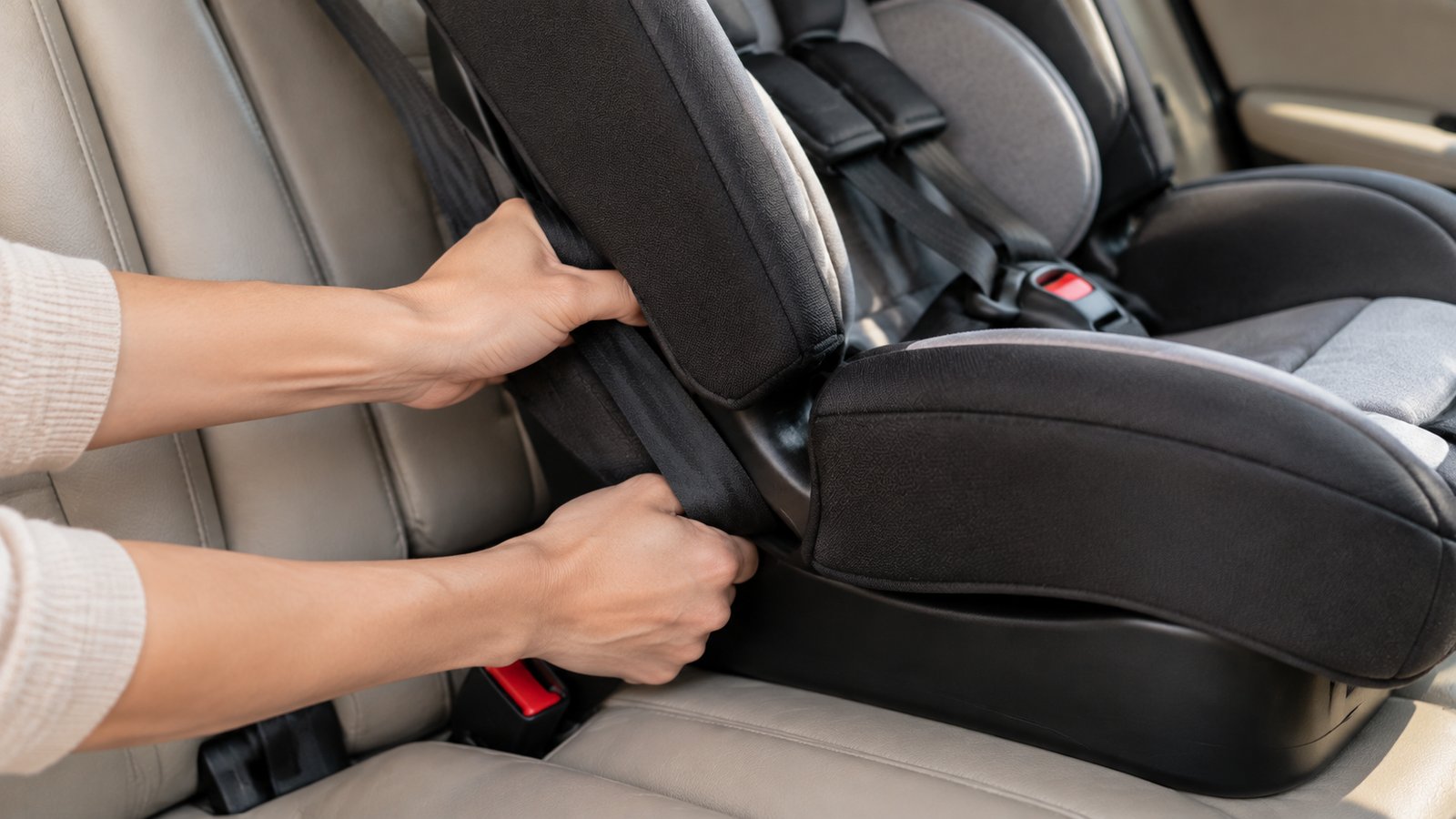
Installation and Fit Mistakes to Avoid
Studies of car seat use consistently find that many seats are not installed or used correctly, so a careful check is worth the time. Here are the mistakes that come up often:
- A loose installation. The seat should not move more than an inch side to side or front to back at the belt path.
- Using both the LATCH system and a seat belt at the same time, unless the manual says it is allowed.
- Not using the top tether on a forward-facing seat.
- Forgetting LATCH limits. The lower anchors have a weight limit, which includes the weight of the seat and the child, often 65 pounds in total. Check your manual and switch to the seat belt installation when the limit is reached.
- Bulky coats under the harness. In a crash, the padding can compress and leave the harness loose. Take off thick coats, buckle the child in, and put the coat or a blanket over the top.
- Wrong recline angle, particularly for newborns, who need a more reclined position to keep the airway open.
- Using an expired or damaged seat, or one with unknown history.
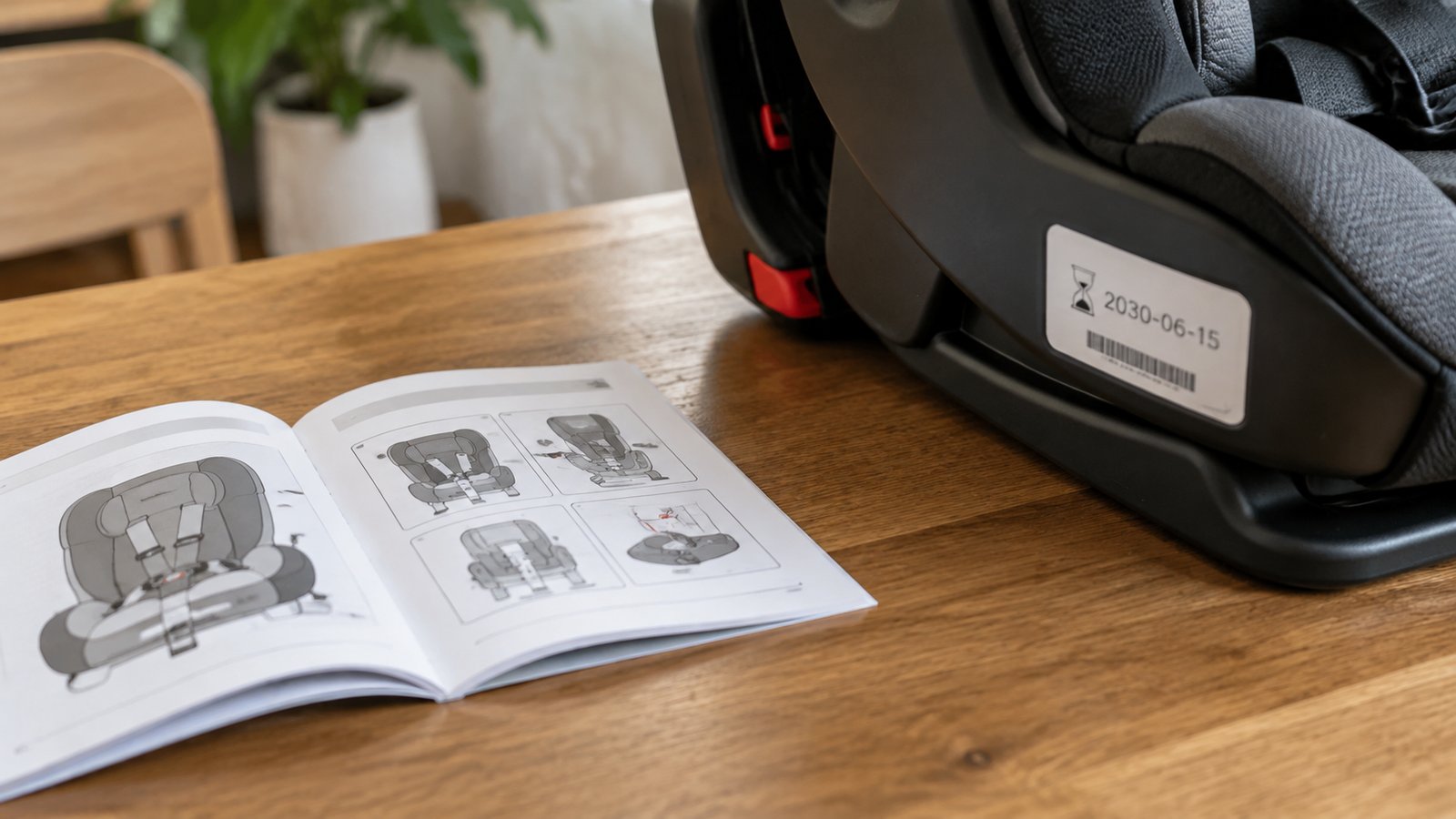
NHTSA advises replacing a seat after a moderate or severe crash, and following the manufacturer’s instructions for minor ones. Seats also have an expiration date, which is printed on a label or molded into the plastic, often six to ten years from the date of manufacture. Register your seat with the manufacturer so that you are notified of any recalls.
Get a free check
You do not have to guess. Certified child passenger safety technicians check installations for free at inspection stations across the country, and NHTSA provides a locator on its website. Many fire departments, hospitals and Safe Kids chapters host check events. It is worth going when you buy a new seat and again when you move to the next stage.
Travel, Carpools and Everyday Situations
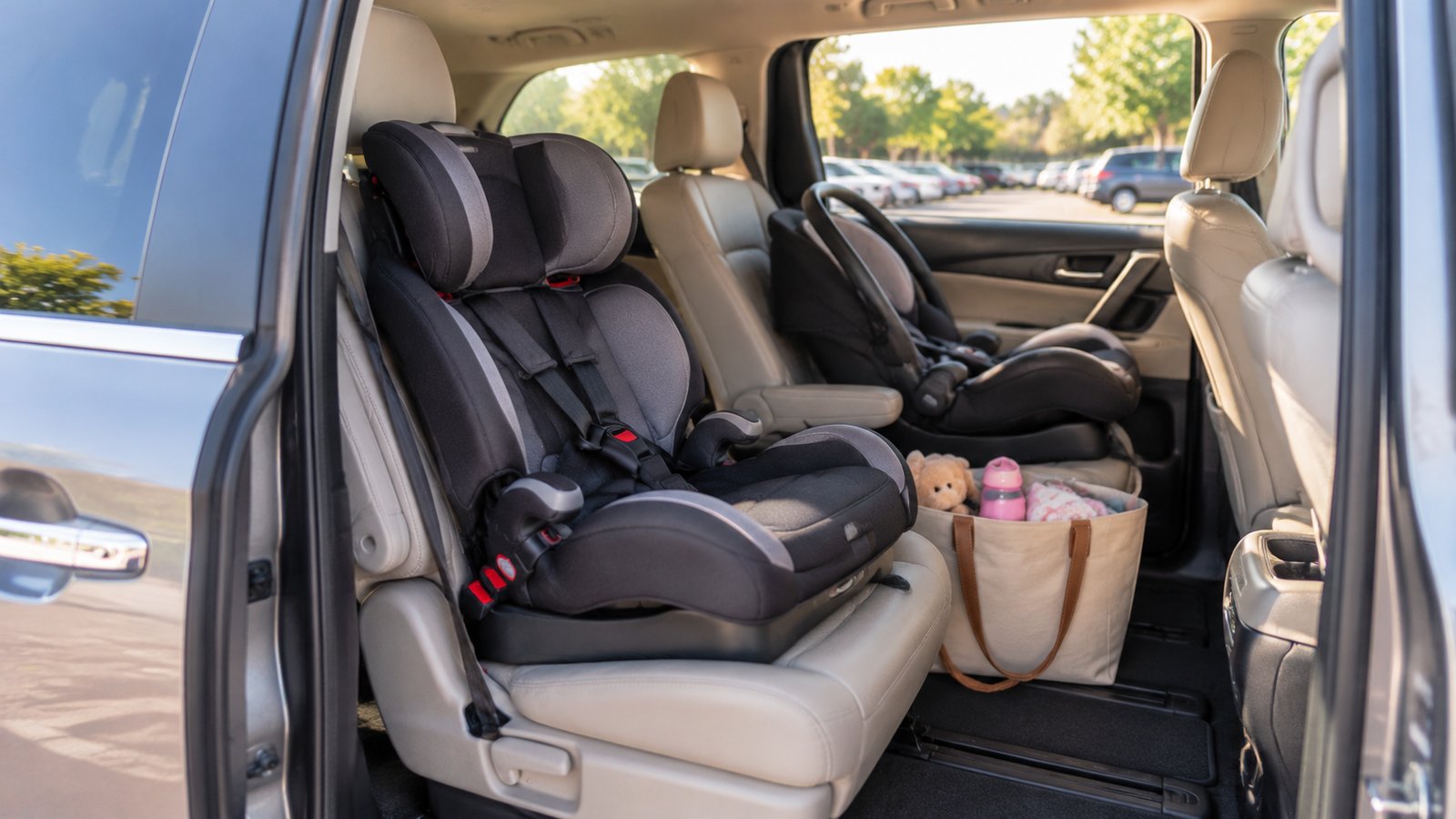
Rules should hold up in real life. Carpools work best when a booster stays in the trunk for visiting kids, or when other parents supply the right seat for their own child. Rideshare and taxi requirements vary by location, so plan ahead with a portable seat. On flights, the FAA recommends that children who weigh less than 40 pounds use an approved child restraint on the plane, so check your seat’s label.
Road trips take extra planning for snacks, entertainment and breaks. Our traveling with kids tips and fun road trip printables can keep kids happy in their seats, and the post on camping tips for families has packing ideas that keep the car tidy so nothing loose can fly around in a sudden stop.
One more safety reminder: never leave a child alone in a parked car, even for a short time. Temperatures inside can climb dangerously quickly. NHTSA’s message is “Look before you lock,” and a handy habit is to put a bag or shoe in the back seat as a visual cue that your child is back there.
Budget and used seats
Car seats are not cheap, but a higher price does not always mean greater safety, since all seats sold in the United States must meet the same federal standards. The best seat is one that fits your child, fits your vehicle, and that you can install correctly every time. Used seats are risky unless you know the full history, since you cannot tell whether a seat has been in a crash, and it may be expired or recalled. If budgets are tight, ask your local Safe Kids chapter or health department, since some programs offer low-cost or free seats to families who qualify.
If you are managing a tight budget overall, put safety gear on the list of things worth buying new or from a source you trust, and look for savings elsewhere in the family budget.
Finally, make car seat checks part of your routine. Kids grow fast, and a harness that fit perfectly in spring may be too loose or too tight by fall. Every few months, check the strap height, the tightness, the chest clip and the seat’s weight and height limits against your child’s latest measurements. Write the date of your last check in your planner or phone calendar, so it does not slip by. A two-minute check once a season is a small price for peace of mind, and it teaches your child that buckling up correctly is simply what the family does every trip, every time.
Preemies and children with special needs
Babies born early or with low birth weight, and children with medical conditions or disabilities, may have particular car seat needs. The AAP recommends that preterm babies have a car seat observation before hospital discharge, to make sure they can breathe comfortably in the semi-reclined position. Children with low muscle tone, casts, or other conditions may need special seats or adaptations, and some hospitals have programs with trained technicians. Ask your pediatrician for a referral if you are unsure.
Whatever your situation, keep the manual with the seat, or take a photo of the label and the manual’s key pages with your phone, so the information is always at hand when you reinstall.
Frequently Asked Questions
When can my child face forward?
The AAP recommends staying rear-facing until the child reaches the highest height or weight limit of the rear-facing seat. Check the labels and manual on your seat for the numbers.
How long should my child use a booster?
Until the adult seat belt fits correctly, generally when the child is about 4 feet 9 inches tall and between 8 and 12 years old. Use the five-step test to check.
Is it safe for my child to sit in the front seat?
Children under 13 are safest in the back seat. Front airbags are designed for adult-sized bodies.
Can I use a car seat after a minor crash?
NHTSA says seats should be replaced after a moderate or severe crash, and the manufacturer’s instructions apply for minor crashes. When in doubt, contact the manufacturer.
Where can I get my car seat checked?
Use NHTSA’s car seat inspection locator, or look for Safe Kids and local fire department check events to find a certified technician.
Sources: American Academy of Pediatrics, HealthyChildren.org child passenger safety guidance; NHTSA, car seat recommendations and the five-step seat belt test; FAA child restraint guidance. Product links are affiliate links. This article is general information. Always follow your car seat manual and state law.