Babysitter Checklist: What to Leave, What to Tell Them and House Rules to Share
A complete babysitter checklist for parents: emergency contacts and info sheet, allergies and medicines, house rules, bedtime and screen routines, safety walk-through, baby care notes and how to choose and prepare a sitter.
Quick answer: a good babysitter checklist covers four things. First, emergency information: your phone numbers, the home address, a backup contact, the pediatrician, Poison Help (1-800-222-1222) and a signed medical consent form. Second, health details: allergies, medicines with written instructions and any action plans. Third, house rules and routines: meals, screens, bedtime, visitors and what is off-limits. Fourth, a quick safety walk-through: exits, the first aid kit, locked medicines, water and pool rules and safe sleep for babies.
Leaving your kids with a babysitter is easier when everything the sitter needs is written down in one place. A clear checklist means fewer texts during dinner, fewer guesses about bedtime and a sitter who knows exactly what to do if something goes wrong.
This babysitter checklist walks through what to leave, what to tell the sitter before you go and how to prepare a new sitter, whether it is a teen from down the street, a college student or a grandparent who has not babysat in years. It is part of the Living Life as Moms family health and safety guide. Copy the lists into a note on your phone or print them for the fridge.
This article is general guidance for parents, not legal or medical advice. Rules about minimum babysitting ages and leaving children home alone vary by state. Sources: American Red Cross babysitting and first aid training; American Academy of Pediatrics, HealthyChildren.org (safe sleep, firearm storage, allergy action plans); America’s Poison Centers; CDC (drowning prevention). Checked October 2026.

Babysitter Emergency Information Sheet
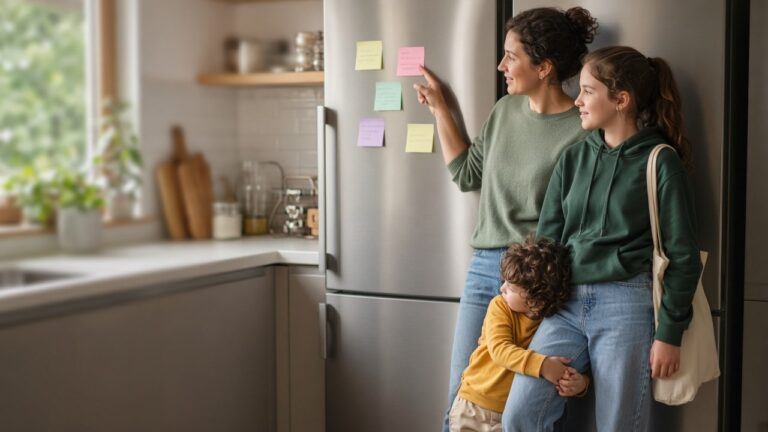
The single most important item on any babysitter checklist is an emergency information sheet posted where the sitter can see it, such as on the fridge. Phones get lost, batteries die and panic makes it hard to remember details.
Include:
- Your names and cell numbers, and where you will be (restaurant name or address).
- The full home address, including apartment number, cross street and any gate code. Sitters often do not know the address by heart, and 911 dispatchers need it.
- A backup adult nearby who can come over quickly: a neighbor, relative or friend.
- The pediatrician’s name and number.
- Poison Help: 1-800-222-1222, which connects to the local poison center 24 hours a day.
- 911 for life-threatening emergencies, with a reminder to call 911 first and then you.
- The Wi-Fi password and how to get back in if the door locks automatically.
Many parents also leave a signed medical consent form authorizing the sitter to seek emergency care for the child, along with a copy of each child’s insurance card. Hospitals will treat a child in a true emergency regardless, but a consent form and insurance details can speed things up.

Health Details: Allergies, Medicines and Medical Needs
Every sitter needs to know about allergies, medical conditions and medicines before you leave, not as you walk out the door. Write it down and talk it through.
Allergies
List each child’s allergies, what a reaction looks like and exactly what to do. If a child has a prescribed epinephrine auto-injector, show the sitter where it is and how to use it, and leave a copy of the allergy action plan from your child’s doctor. The AAP and allergy organizations recommend written action plans so any caregiver can follow the same steps. Tell the sitter which foods are off-limits and to check labels on any snack.
Medicines
If your child needs a dose while you are out, leave written instructions with the medicine name, dose, time and the measuring device to use. Store all other medicines locked away. A good rule for sitters: give no medicine at all unless the parent left written instructions for it.
Other Medical Notes
Note asthma inhalers, seizure plans, recent illnesses, ear tubes, recent vaccines or anything else a caregiver should know. If a child has been sick, explain the warning signs that should prompt a call.

House Rules to Share With Your Babysitter
House rules tell the sitter what normal looks like in your home, which makes it easier for them to keep the routine and harder for kids to claim “Mom always lets us.” Be specific.
Rules to cover:
- Screens: which devices and shows are allowed and for how long. If you follow an age-based plan, our guide to screen time for kids by age can help you set it.
- Food: what kids can eat, when, and what is off-limits.
- Outside and visitors: whether kids can play outside, go to a neighbor’s house or have friends over. Most parents say no visitors for the sitter or kids unless agreed in advance.
- Off-limits areas: the pool, hot tub, garage, workshop or your bedroom.
- Doors: keep doors locked and do not open the door to strangers or deliveries.
- Driving: whether the sitter may drive the kids anywhere. If yes, confirm they will use the correct car seats.
- Discipline: what the sitter may do (a calm reminder, a short break) and what they should not do. Make clear you expect no physical punishment.
- Phone use: when you want updates, and that the sitter should keep their own phone charged and nearby.
- Social media: many parents ask sitters not to post photos of the kids.

Routines: Meals, Bath and Bedtime
Writing down the evening routine is the fastest way to help a sitter keep kids calm and on schedule. Children cooperate better when the order of the evening feels familiar.
A simple routine sheet might list:
- Dinner: what to serve, how much and any leftovers to heat up.
- Play and homework: what kids can do and what homework needs finishing.
- Bath or wash-up: whether a bath is needed and the rules (see the water safety section below).
- Pajamas, teeth and books.
- Lights out: the time for each child, comfort items and night-light preferences.
If you already use a visual chart, point the sitter to it. Our guide to building a bedtime routine chart for kids shows how a picture chart helps any caregiver follow the same steps.
Add notes about what to do if a child wakes up, has a nightmare or will not stay in bed. A sentence like “Walk her back to bed and sit by the door for a minute” saves a lot of guesswork.

Safety Walk-Through Before You Leave
A five-minute walk-through of the home is the best way to make sure a sitter can handle an emergency. Show, do not just tell.
Point out:
- Exits and the fire escape plan, including the outside meeting spot. Our home fire safety checklist for families explains how to set up and practice an escape plan.
- Smoke and carbon monoxide alarms, and what each sounds like. Tell the sitter to get everyone out first if an alarm goes off and call 911 from outside.
- The first aid kit and flashlight.
- Fire extinguisher location, if you have one, with a reminder that getting the children out comes first.
- Locked medicines and cleaners, and where you keep sharp tools.
- Breaker box or circuit panel, in case of a tripped breaker.
- Pets: feeding, letting them out and how they behave with visitors.
Firearms
If there are firearms in the home, the AAP recommends storing them unloaded and locked, with ammunition locked separately. Make sure the sitter cannot access them and that children cannot either. It is also fair to ask the same question about any home where your child babysits or is babysat.

Water and Pool Safety Rules
Water rules belong on every babysitter checklist, because the CDC reports that drowning is the leading cause of death for children aged 1 to 4 and it can happen silently in seconds.
Make the rules simple and firm:
- No swimming without a parent’s explicit plan and permission, even if the sitter is a strong swimmer.
- Keep pool gates closed and doors to the pool area locked.
- Babies and toddlers in the bath must never be left alone, not even to grab a towel or answer the phone. Many parents simply ask sitters to skip baths for young children.
- Empty buckets, tubs and kiddie pools after use.

Safe Sleep and Baby Care Notes
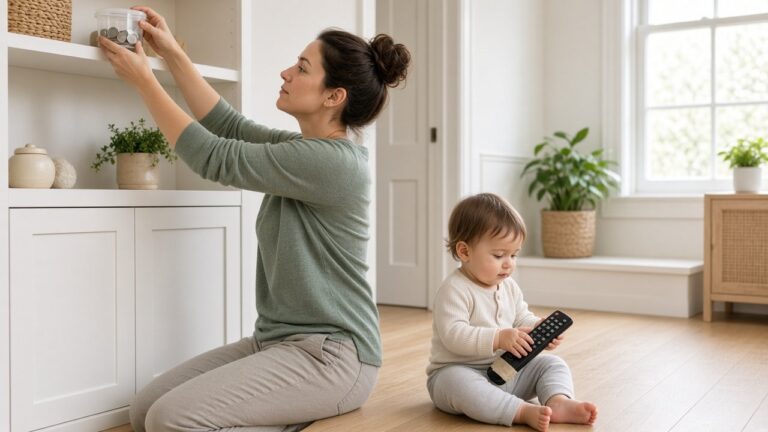
If your sitter is caring for a baby, go over safe sleep rules and the baby’s routine in detail. The AAP recommends placing babies on their backs for every sleep, in a crib, bassinet or play yard with only a fitted sheet: no pillows, blankets, bumpers or toys. Many sitters, and some grandparents, learned older practices, so say it out loud.
Baby care notes to leave:
- Feeding times and amounts, and how to prepare and warm a bottle (never in the microwave, which can heat unevenly).
- How the baby likes to be soothed and burped.
- Diapering supplies and where the changing table is, with a reminder to keep one hand on the baby at all times.
- Nap and bedtime schedule and sleep cues.
- What to do if the baby cries and cannot be calmed: put the baby down safely in the crib and call you. Never shake a baby.

How to Choose a Babysitter
Choosing the right babysitter starts with references, a conversation and a trial run while you are home. Ask other parents you trust, your child’s school or your place of worship for recommendations.
Questions to ask:
- How much babysitting experience do you have, and with what ages?
- Have you taken a babysitting, first aid or CPR course? The American Red Cross offers babysitting and child care courses, and many communities offer similar classes for teens.
- What would you do if a child got hurt, had an allergic reaction or would not stop crying?
- How do you handle a child who will not follow the rules?
- Can I contact two families you have babysat for?
There is no national minimum babysitting age, and a few states set guidelines for how old a caregiver should be or when children can stay home alone. Check your state’s child welfare or human services agency if you are unsure.
For a new sitter, schedule a short paid “mother’s helper” session while you are home. It lets the kids get comfortable and lets you see how the sitter interacts with them.

Before You Walk Out the Door
A short checklist at the door makes sure nothing slips through the cracks:
- Info sheet on the fridge and emergency numbers shared by text.
- Medicines and allergy plans reviewed.
- Routine sheet and bedtime times confirmed.
- Phone charged and on loud.
- Expected return time and when to text updates.
- Payment ready, and a plan for getting the sitter home safely if it is late.
When you get home, ask how the evening went and what could be clearer next time. Update your checklist with anything new, such as a changed bedtime or a new allergy.

Frequently Asked Questions
Frequently Asked Questions
What should I leave for a babysitter? Leave an emergency information sheet with your phone numbers, address, a backup contact, the pediatrician and Poison Help (1-800-222-1222), plus allergy and medicine instructions, house rules, the evening routine and a signed medical consent form.
What should a babysitter know before starting? A sitter should know each child's allergies and medical needs, the house rules, the meal and bedtime routine, where exits, alarms and the first aid kit are, what is off-limits and when and how to reach you.
Should I leave a medical consent form for my babysitter? Many parents do. A signed form authorizing emergency treatment, along with insurance card copies, can speed up care if a child is hurt or sick while you are out.
How old should a babysitter be? There is no national minimum age. Some states have guidelines, and the right age depends on maturity, training and the ages of the children. Many families look for sitters who have taken a babysitting or first aid course.
Can a babysitter give my child medicine? Only if you leave written instructions with the medicine name, dose, time and measuring device. A good rule is no medicine without written parent instructions.
Should babysitters bathe young children? Many parents ask sitters to skip baths for babies and toddlers. If a bath is needed, the sitter must stay within arm's reach the entire time and never leave the child alone, even for a moment.

The Bottom Line
A clear babysitter checklist covers emergency information, health details, house rules, routines and a quick safety walk-through. Put it in writing, walk the sitter through your home and keep firm rules about water, medicines, visitors and safe sleep. With those basics in place, the sitter can focus on the kids and you can enjoy your time out.