Daylight Saving Time Ends November 1: How to Help Kids Adjust Their Sleep
Daylight saving time ends Sunday, November 1, 2026. Here is a gentle plan to shift kids' sleep, handle early wake-ups, use morning light and keep evenings calm.

As an Amazon Associate I earn from qualifying purchases. Some links in this post are affiliate links, which means I may earn a small commission at no extra cost to you.
Every fall, the clocks “fall back” an hour and parents get a strange gift: one extra hour of sleep that their children refuse to accept. A baby who normally wakes at 6:00 a.m. is now up at 5:00 by the new clock, and a toddler who slept in on Saturday is bouncing on the bed before dawn on Sunday. The change is small on paper and surprisingly big at home.
Daylight saving time ends this year on Sunday, November 1, 2026. At 2:00 a.m. local time, clocks move back to 1:00 a.m. in most of the United States. Hawaii and most of Arizona do not observe daylight saving time and do not change their clocks. This guide gives you a simple, flexible plan for helping kids adjust, with ideas for babies, toddlers, school-age children and teens, based on advice from pediatric and sleep medicine groups.
Quick answer: you can ease the change by shifting your child’s schedule by 10 to 15 minutes every day or two, starting a few days ahead, or you can switch all at once on Sunday and hold the new schedule firmly. Use bright light in the morning, dim lights in the evening, and keep bedtime routines the same.

What Actually Changes When the Clocks Fall Back
The clock shifts, but your child’s internal body clock does not. That internal clock, called the circadian rhythm, responds mostly to light and to routines such as meals and bedtime. Because your child’s body still thinks it is the old time, bedtime may feel an hour early and morning wake-up an hour early by the new clock. In other words, a child who falls asleep at 7:30 p.m. by the old clock will feel ready for bed at what the new clock calls 6:30 p.m.
Most children adjust in about a week, though some take longer, particularly babies and kids who are sensitive to changes. The American Academy of Sleep Medicine (AASM) has taken the position that permanent standard time would be better for health than switching back and forth, but until laws change, families deal with the clock change twice a year.
Two Ways to Make the Switch
Option 1: Shift gradually before the change
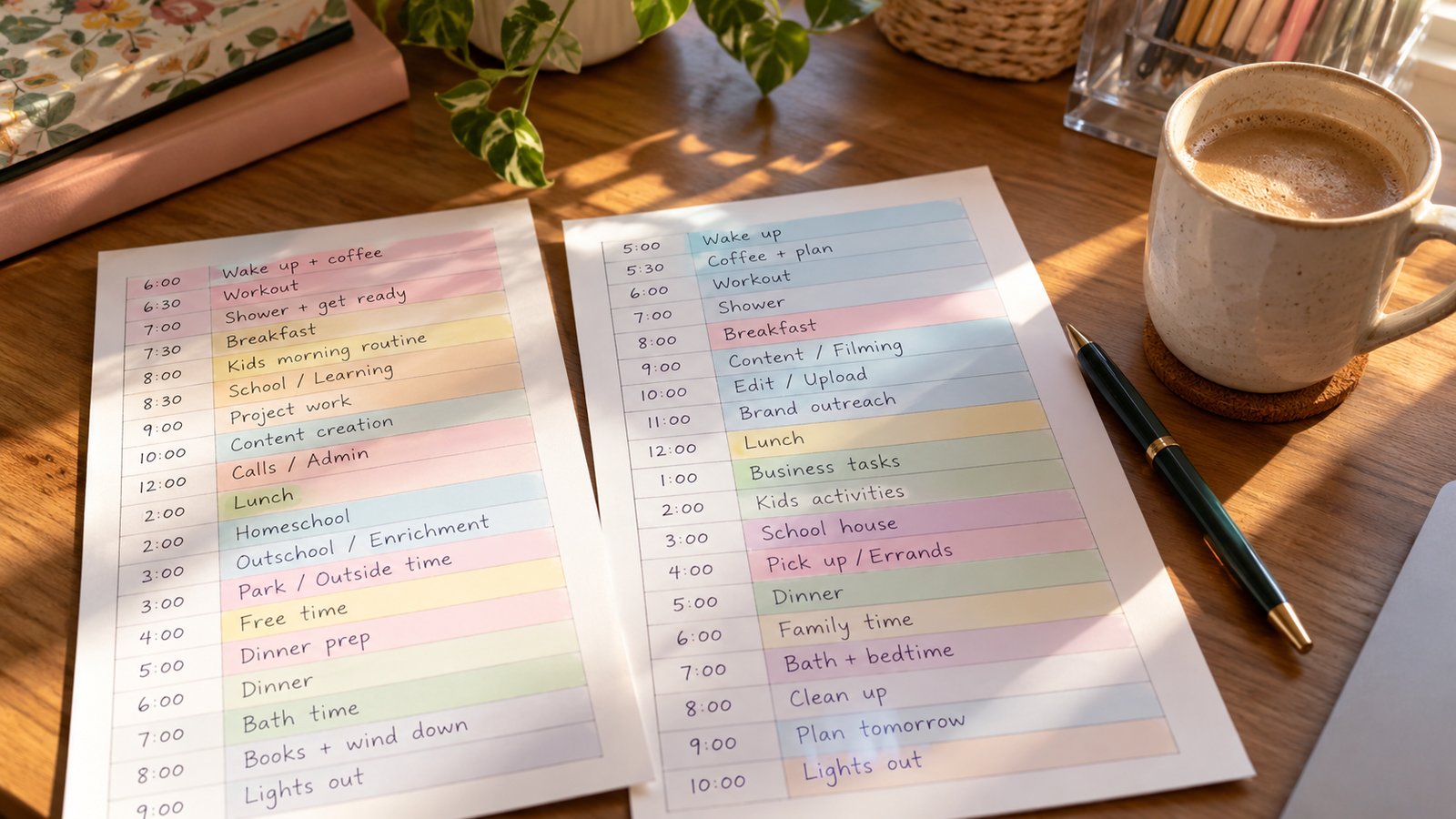
This option suits children who are very routine-bound, as well as babies. A few days before the change, begin moving bedtime and wake-up time later by about 10 to 15 minutes every day or two. For example, if bedtime is 7:30 p.m., make it 7:40 on Wednesday, 7:50 on Friday and 8:00 on Sunday after the change. Move meals and naps by the same amount. By Sunday, the new clock time matches what your child’s body is used to.
Option 2: Switch all at once
Other families prefer to flip the schedule on Sunday and be done with it. You simply follow the new clock: breakfast at the usual new-clock time, naps and bedtime at the usual clock time. Expect a few early mornings and a bit of crankiness for a few days. This approach works well for older kids who are flexible and for parents who do not want a week of changing schedules.
Either way, the details matter more than the method: keep the routine, use light well, and give it time.

Use Light to Reset the Body Clock
Light is the strongest signal for the body clock. Bright light in the morning tells the brain it is time to be awake, and dim light in the evening helps with sleep.
- In the morning, open the curtains and get outdoors if you can. Even a short walk or breakfast near a bright window helps.
- In the late afternoon and evening, lower the lights in the house and avoid bright overhead lights.
- Keep screens off for at least 30 minutes to an hour before bed, as the American Academy of Pediatrics advises. See our guide to screen time for kids by age for more on setting limits.
- Use blackout curtains if early sunrise wakes your child. Sunrise will be about an hour earlier on the clock after the change.
Time outside also helps burn energy and keeps the day on track, even in cooler weather with the right clothes.

Early Wake-Ups: What to Do
The most common complaint after the change is the early wake-up. For babies and toddlers, a child who wakes at what feels like 5:00 a.m. is often just waking at the old time. Here is a plan:
- Keep the room dark and quiet, and keep nighttime interactions short and boring, so your child learns that it is still time to sleep.
- Give your child a few minutes to settle. Not every early wake-up requires you to get up right away.
- For toddlers, try a clock that shows when it is okay to get out of bed. A simple stay-in-bed clock such as this toddler sleep trainer clock with a night light uses colors or pictures to show when it is time to wake. You can explain the system in daytime, and praise your child when they follow it.
- Do not start the day too early. If you get up and turn on all the lights and start with breakfast at 4:45, your child’s body will learn that this is the new wake-up time.
- Keep to the new schedule in the following days, rather than switching back.
Many sleep experts also suggest being patient. You may find that your child gradually moves later by 10 to 15 minutes every day or so without much help from you.
Age-by-Age Tips
Babies
Babies thrive on predictability, and they do not understand the clock. Follow their cues, and be flexible with feeding and nap times for several days. If you wish to use the gradual approach, move naps and feeds in 15-minute steps. Safe sleep rules stay the same, with a firm, flat surface on the back, no blankets or toys in the crib.
Toddlers and preschoolers
These ages often have the toughest time, because they are very aware of routines and not very good at accepting changes. Stay consistent with the routine, use a short “bedtime story” every night, and avoid skipping naps to make them tired. Overtired children often sleep worse. If your child is dropping a nap, try quiet time instead. For help with how much sleep your child needs, see our post on how much sleep kids need by age.
School-age kids
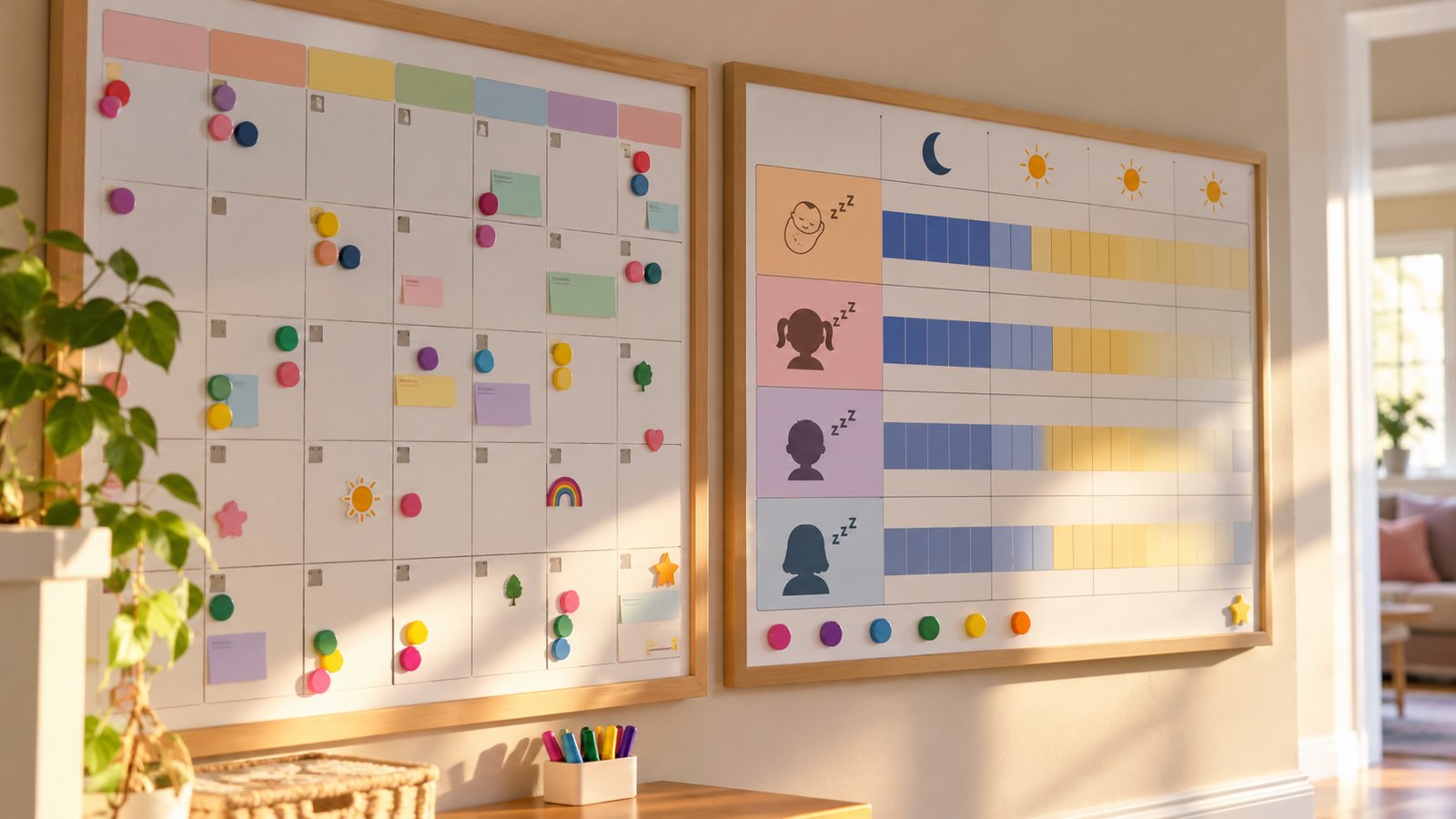
Older children can learn about the change and help plan for it. It is a good time to talk about why sleep matters. Use a family calendar or weekly planner to adjust activities for the week, and keep homework earlier in the evening. Our tips for getting kids back on schedule for school can help with the Monday-morning transition after the clock change.
Teens
Teens often welcome the extra hour, because many of them are not getting enough sleep. The trap is staying up an hour later, which means the gain disappears. Encourage them to keep their regular bedtime by the new clock, and to avoid screens and caffeine late in the day. On the Monday after the change, the morning light will be brighter, which may help them wake up.
Remember also that the clock change affects the whole household, including pets, who may expect their breakfast at the old time. Feeding them gradually later, in small steps, works the same way it does for children, and it spares you a very early bowl-rattling alarm on Sunday morning.
The Fall-Back Safety Checklist
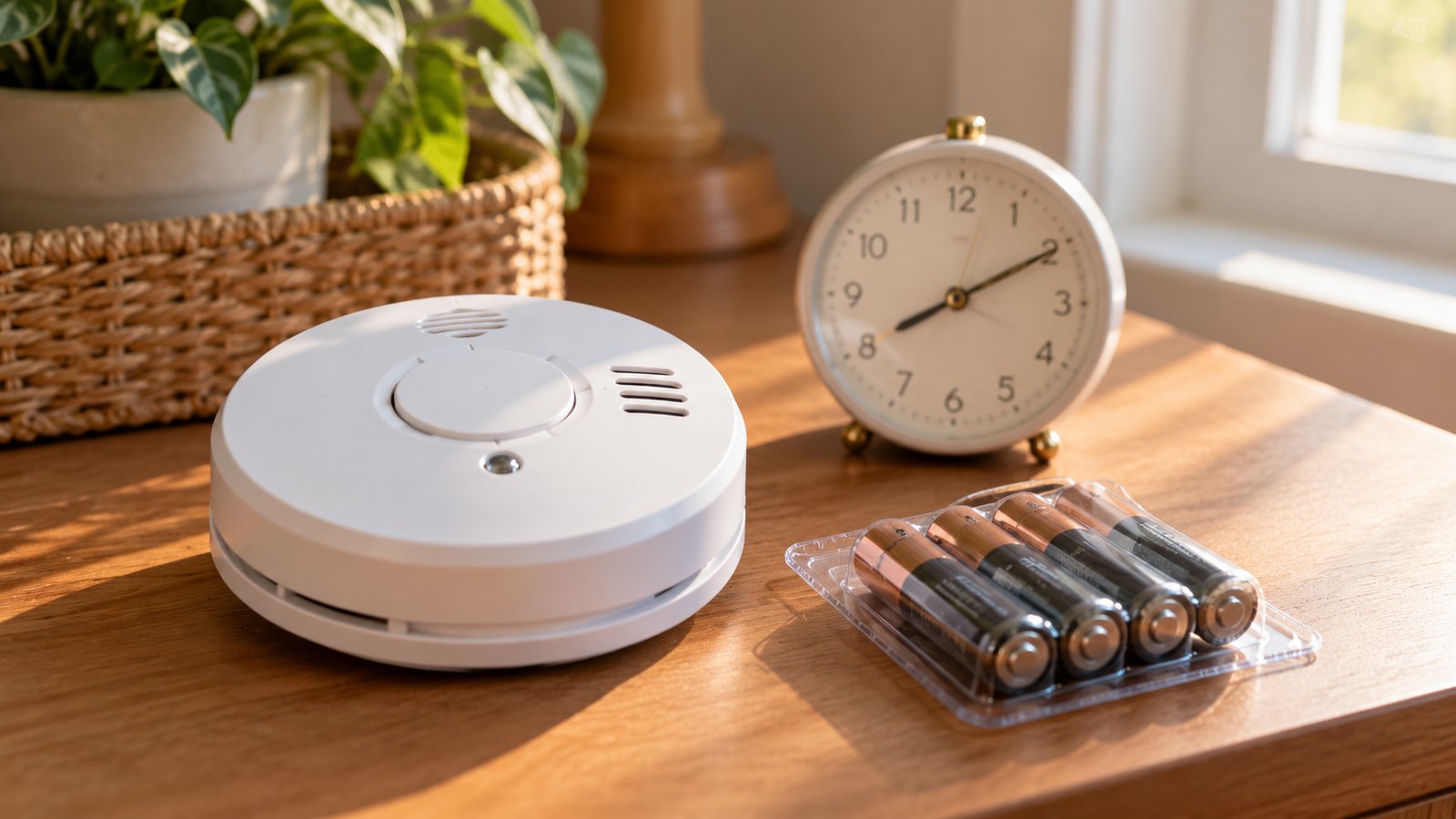
The fall time change is a handy reminder for household safety tasks. Many fire departments suggest testing smoke and carbon monoxide alarms when you change the clocks. If you have not done so recently, follow the steps in our home fire safety checklist, and replace batteries in alarms that use them.
Darker evenings also raise the risk for pedestrians and cyclists. With sunset coming about an hour earlier by the clock, children walking home from school or practice may be out at dusk. Give them reflective strips or a light on their backpacks, remind them to cross at crosswalks, and ask drivers in your household to be careful in the early evening hours.

A Simple Plan for the Weekend
- Saturday: Keep the usual schedule. Choose an activity outdoors in the morning. Relax in the evening.
- Saturday night: Before bed, change the clocks that you can (many phones update on their own), and tell your kids that you did.
- Sunday morning: Get up at your normal time by the new clock if you can, open the curtains, have breakfast and go outside.
- Sunday evening: Keep bedtime at the usual time by the new clock, or about 15 to 30 minutes later if your child is struggling. Dim the lights and keep the routine the same.
- Monday to Friday: Hold the schedule. Most kids settle in within a week.
Take care of yourself, too. Parents feel the time change as well, and a rested adult makes the week easier. Our 12 tips for better sleep can help you reset along with the kids.
Mistakes that make the adjustment harder
- Letting your child sleep in far past the normal wake-up time on the first days, which resets the schedule the wrong way.
- Skipping naps to force an earlier bedtime, which often backfires because overtired kids sleep worse and wake more.
- Changing the whole routine at once. Keep the same bath, books and songs, and only move the time.
- Bright screens and bright lights in the evening, which delay sleepiness.
- Giving up too soon. A new pattern usually needs several days, and sometimes up to a week or two, to settle.
Remember that a few off days are normal and do not mean you did something wrong. Children, like adults, can feel a little jet-lagged. Offer extra patience, simple meals and calm evenings. If everyone is cranky on Tuesday, that is part of the process, and it passes.
When to ask for help
Most sleep disruption after a time change fades within a week or two. If your child is still struggling after that, if bedtime resistance or night waking is getting worse, or if you notice loud snoring, pauses in breathing, or daytime sleepiness, talk to your pediatrician. Sleep problems that begin around the time change may have other causes that are worth looking at, such as illness, teething, a growth spurt, school stress or a screen habit that has crept into the evening.
Pediatricians hear about this every year, and they can offer suggestions that fit your child, including whether a different bedtime would work better for your family. You know your child best, and your observations help. Jot down your child’s wake-up times, naps and bedtimes for a week before the visit, since a simple log gives the doctor a clear picture. Also mention any changes at home or school, because stress and big events can affect sleep as much as the clock does, and a clear history makes it easier to find the real cause.

Frequently Asked Questions
When does daylight saving time end in 2026?
On Sunday, November 1, 2026, at 2:00 a.m. local time, clocks go back one hour.
How long does it take kids to adjust?
Most children adjust in about a week. Babies and very sensitive children can take longer.
Should I change my baby's schedule before the time change?
You can. Moving bedtime and feeds by 10 to 15 minutes every day or two for several days works for many families, but it is not required.
Why is my toddler waking so early?
The internal body clock has not caught up with the new time. Keep the room dark, hold the routine, and give it a few days.
Do all states change their clocks?
No. Hawaii and most of Arizona stay on standard time all year.
Sources: American Academy of Sleep Medicine position statement on permanent standard time; American Academy of Pediatrics, HealthyChildren.org sleep and screen time guidance; National Institute of Standards and Technology and U.S. Department of Transportation information on daylight saving time dates. Product links are affiliate links. This article is general information and not medical advice.